
Kintsugi Village
Designing a Living Campus for Learning, Healing, Food, & Nature
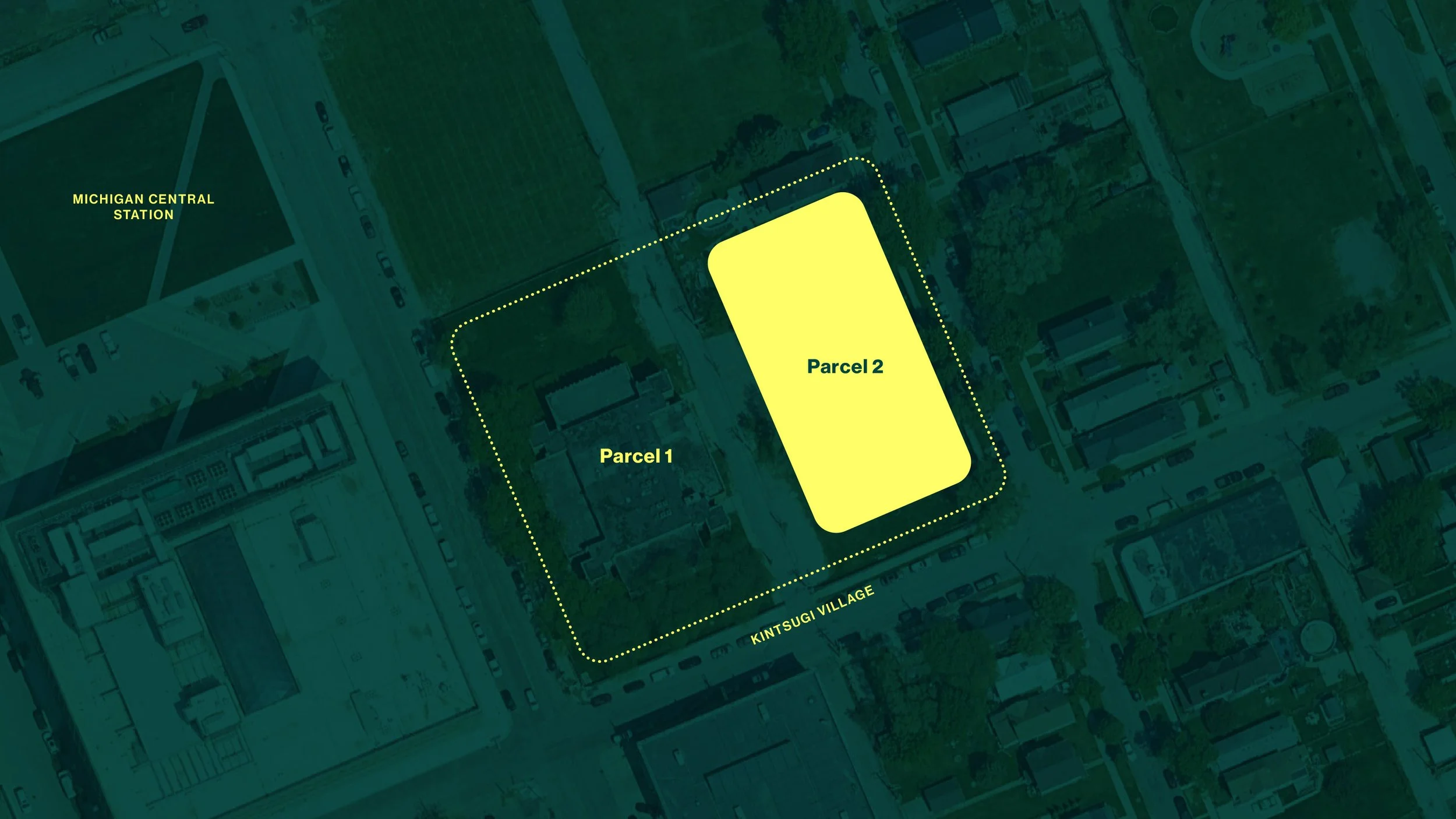
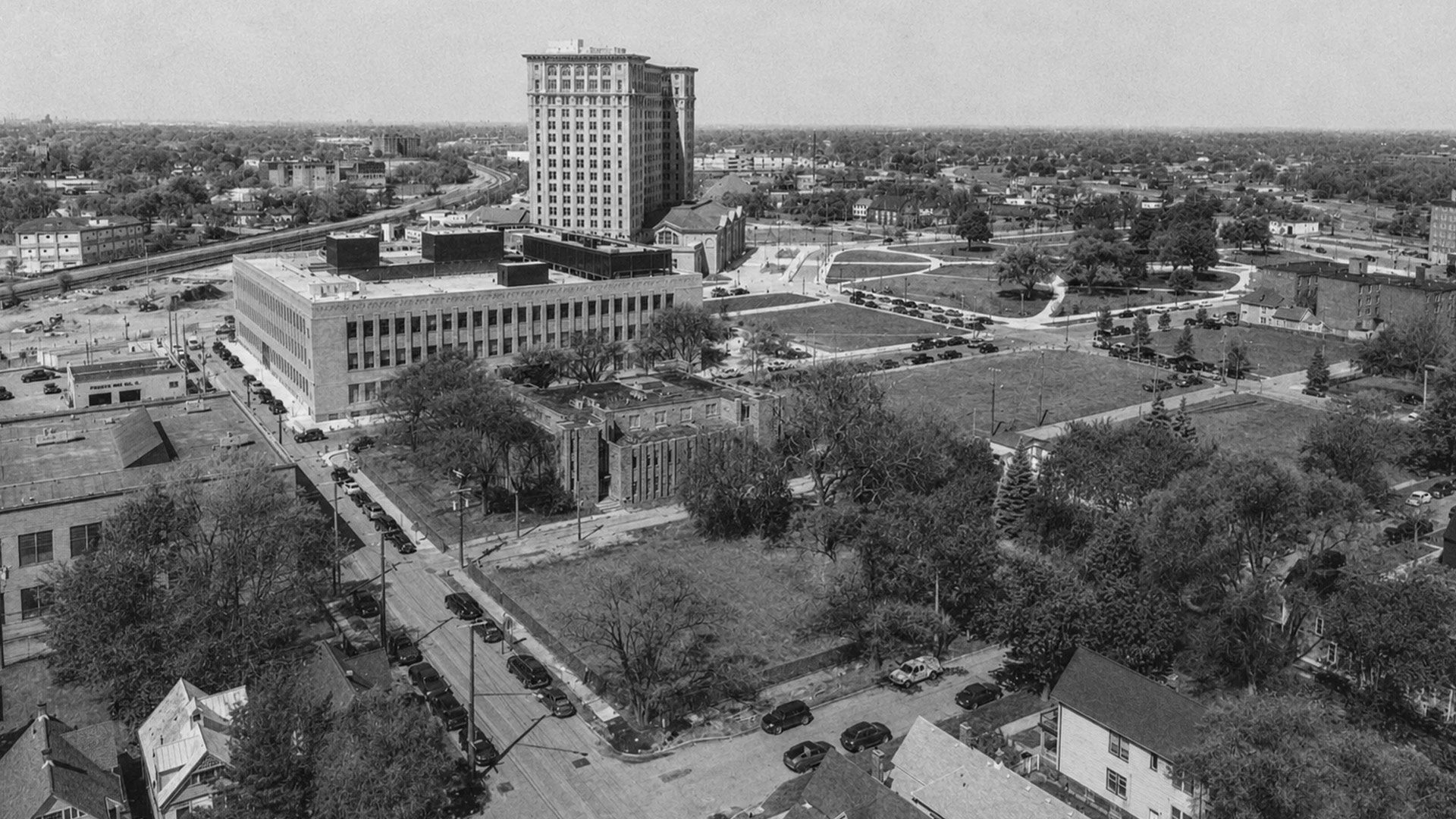
Kintsugi Village is a gathering place where people learn, create, and grow through shared experiences. Located on a two-acre property in Corktown, Detroit, Kintsugi integrates an early childhood education center with arts, culinary programs, events, retreats, and community gathering.
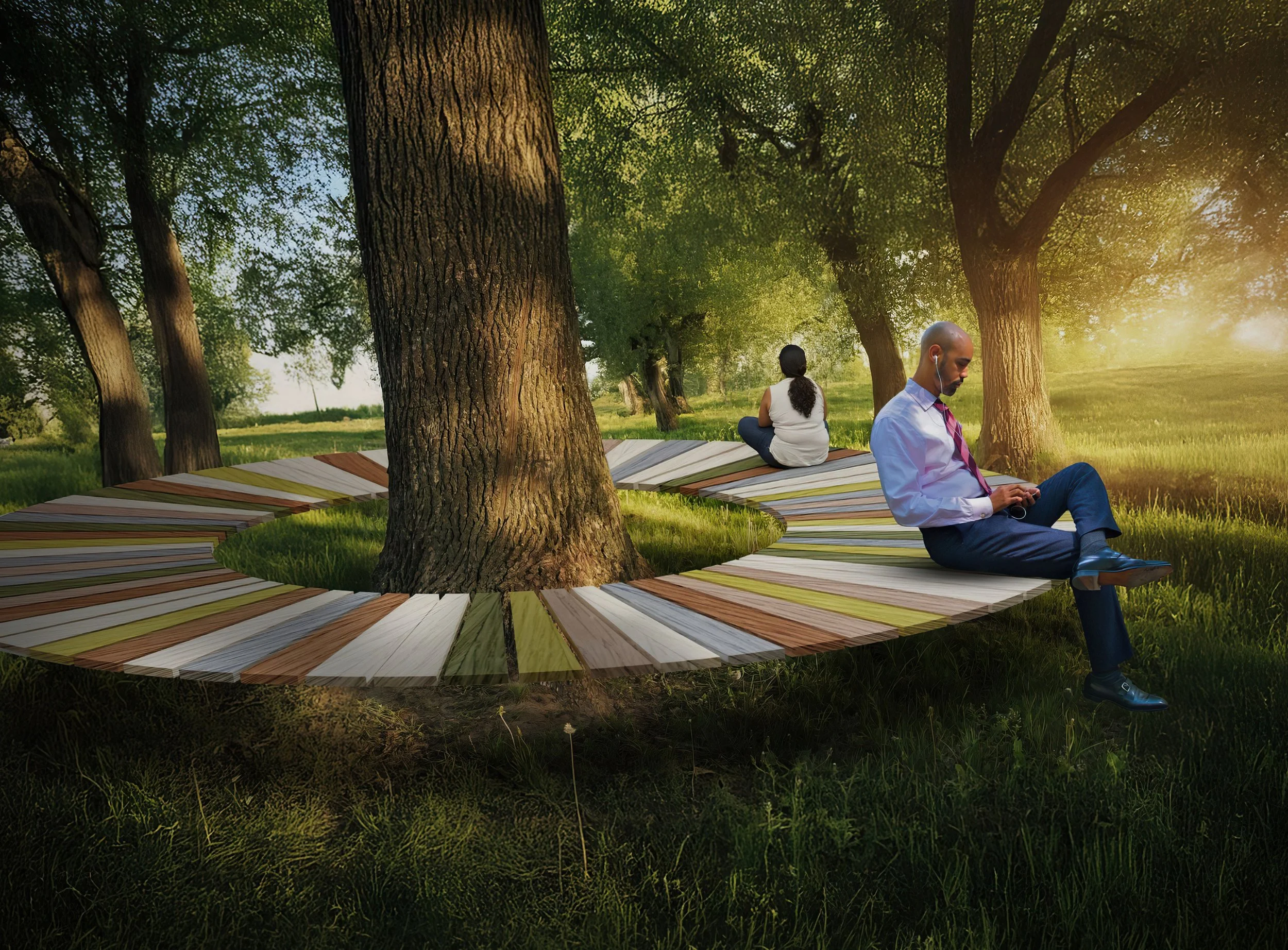
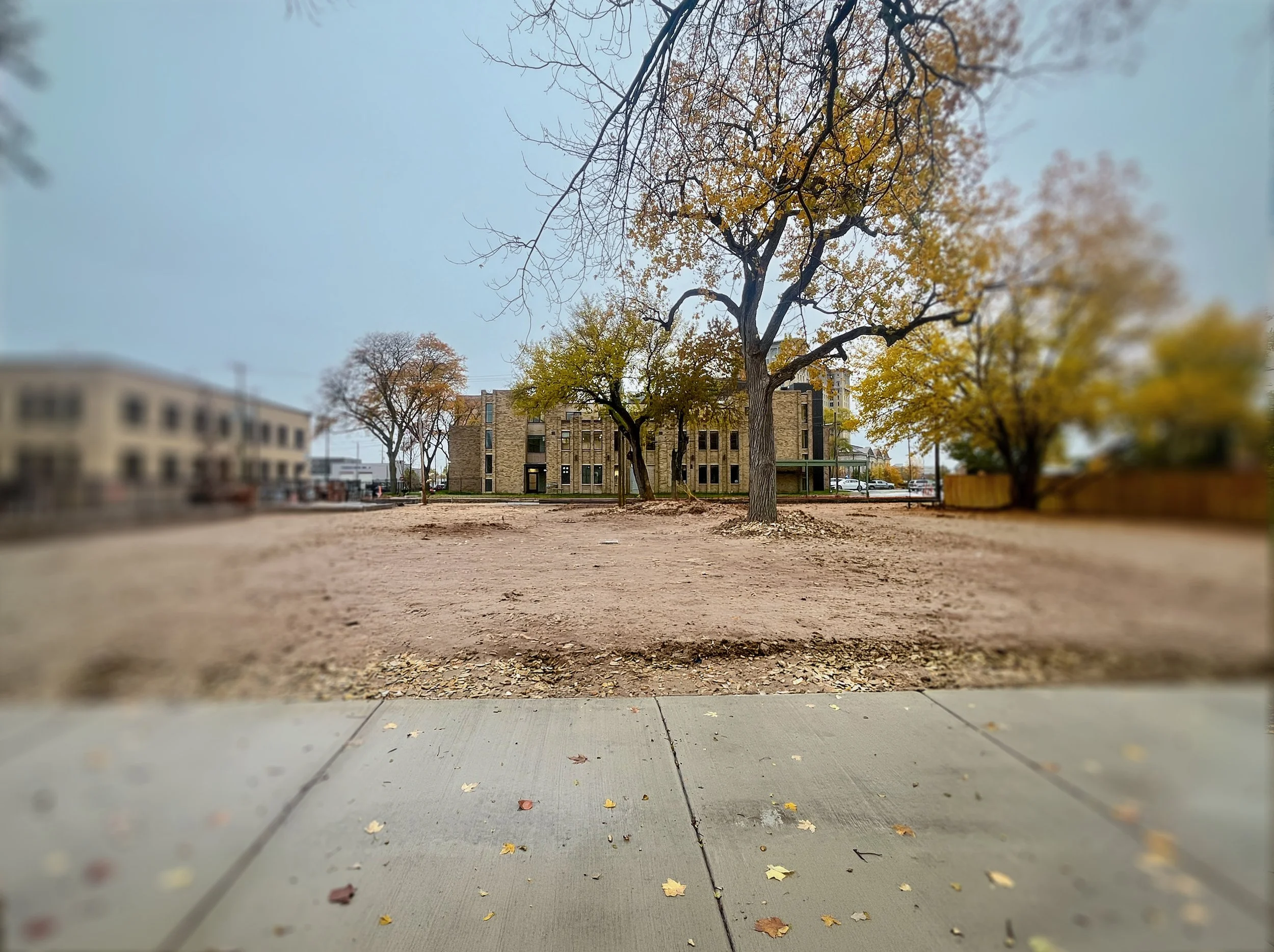
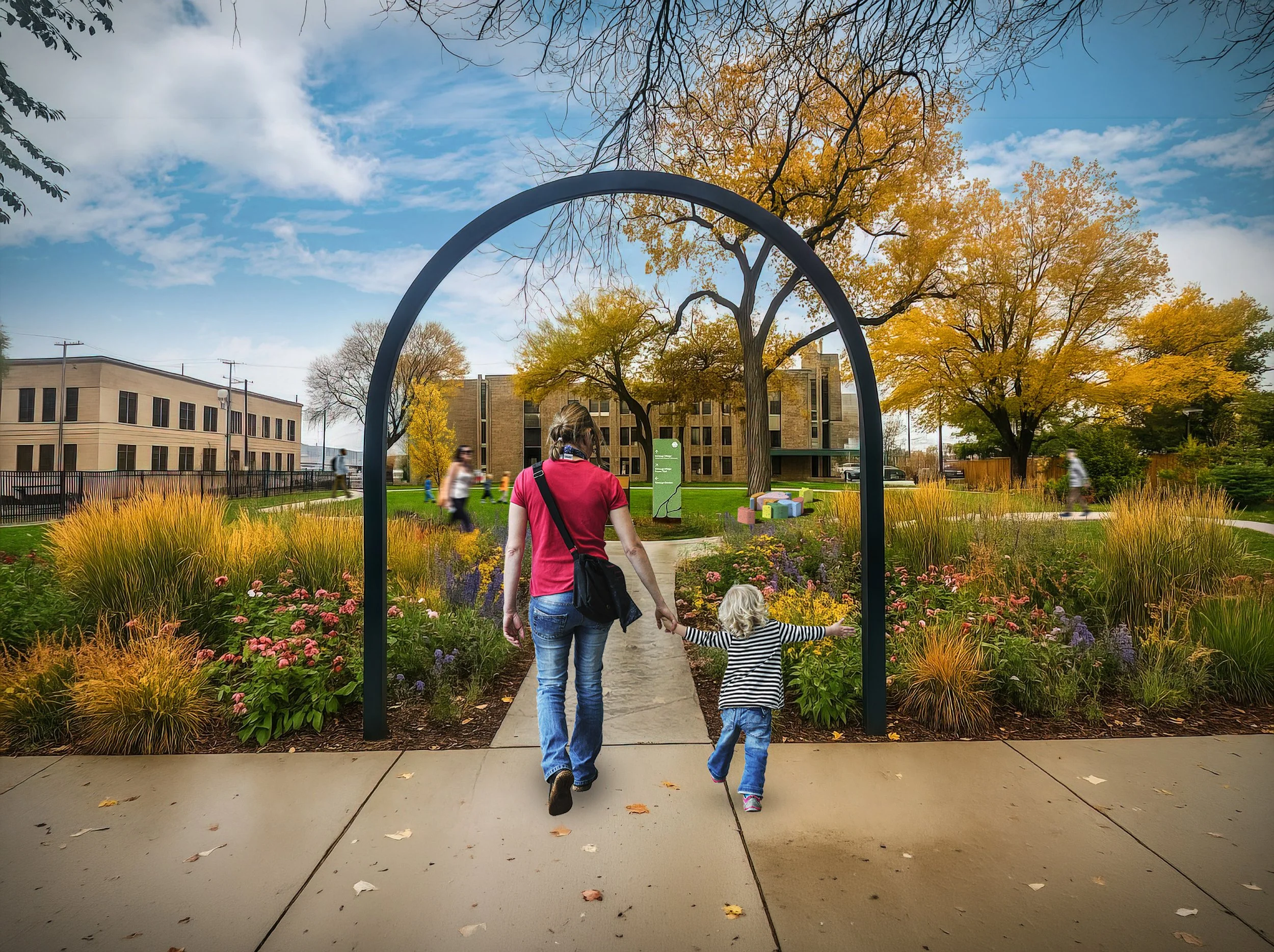
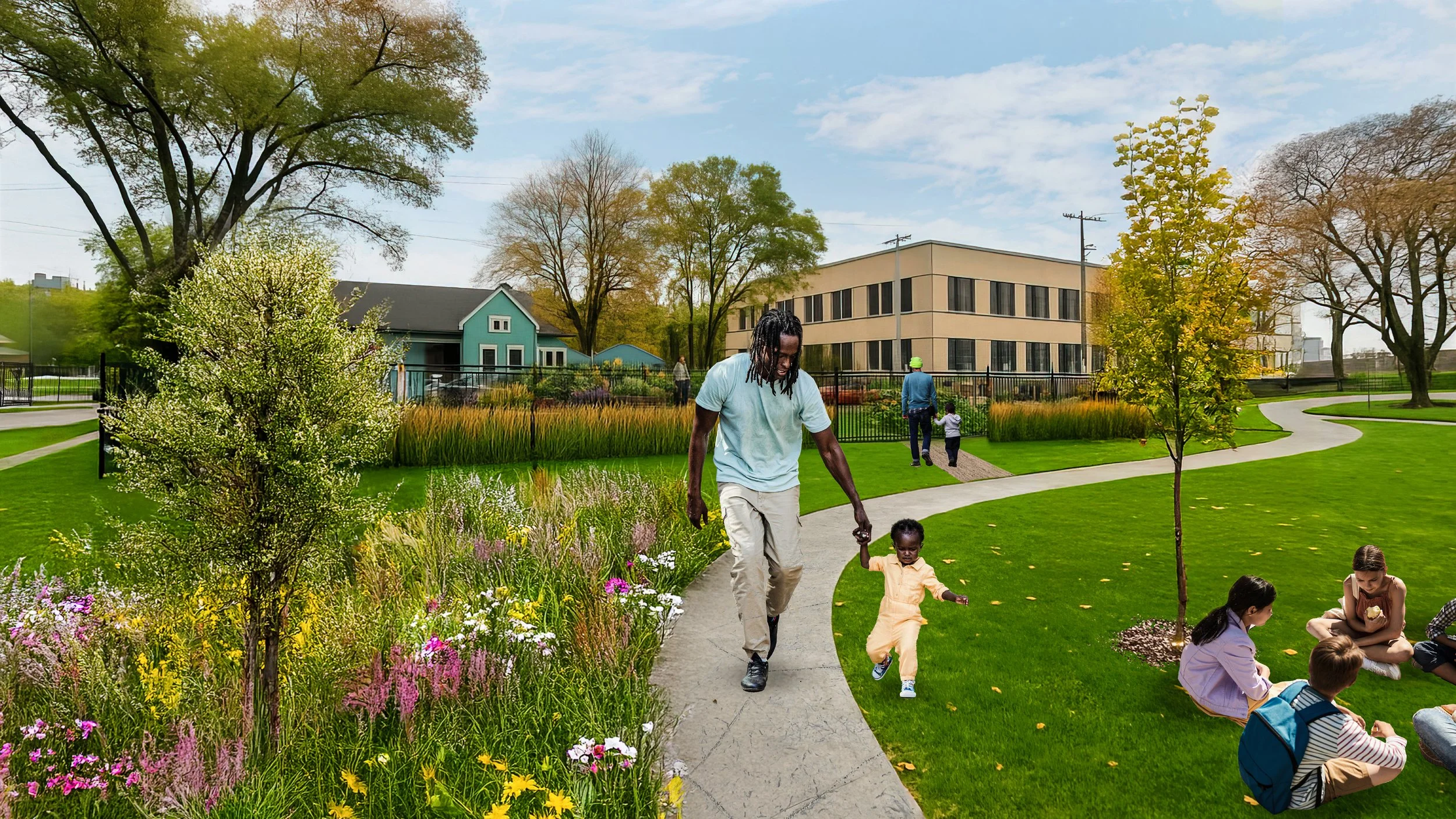
One acre holds the building. The other acre is being transformed into a nature-forward public space - a living outdoor environment designed for beauty, healing, education, biodiversity, food, and connection.
Location
2020 14th St,
Detroit, MI 48216
Partners
Kintsugi Village
Brightside Collective
SUGi
Life Time Foundation
U.S. Fish & Wildlife Service
Greening of Detroit
Michigoat
DJ Amy K
Native American Community
Volunteers & Community Members
Timeframe
February 2025 - Present
Brightside’s Role
Convener
Curator
Design Partner
Systems Integrator
Project Focus
Living Campus Design
Urban Ecology
Ecological Infrastructure
Place Transformation
4000
SQFT Pocket Forest Created
1100+
Native Plants & Trees Installed
2
Acres Living Campus Designed
110+
Volunteers Engaged
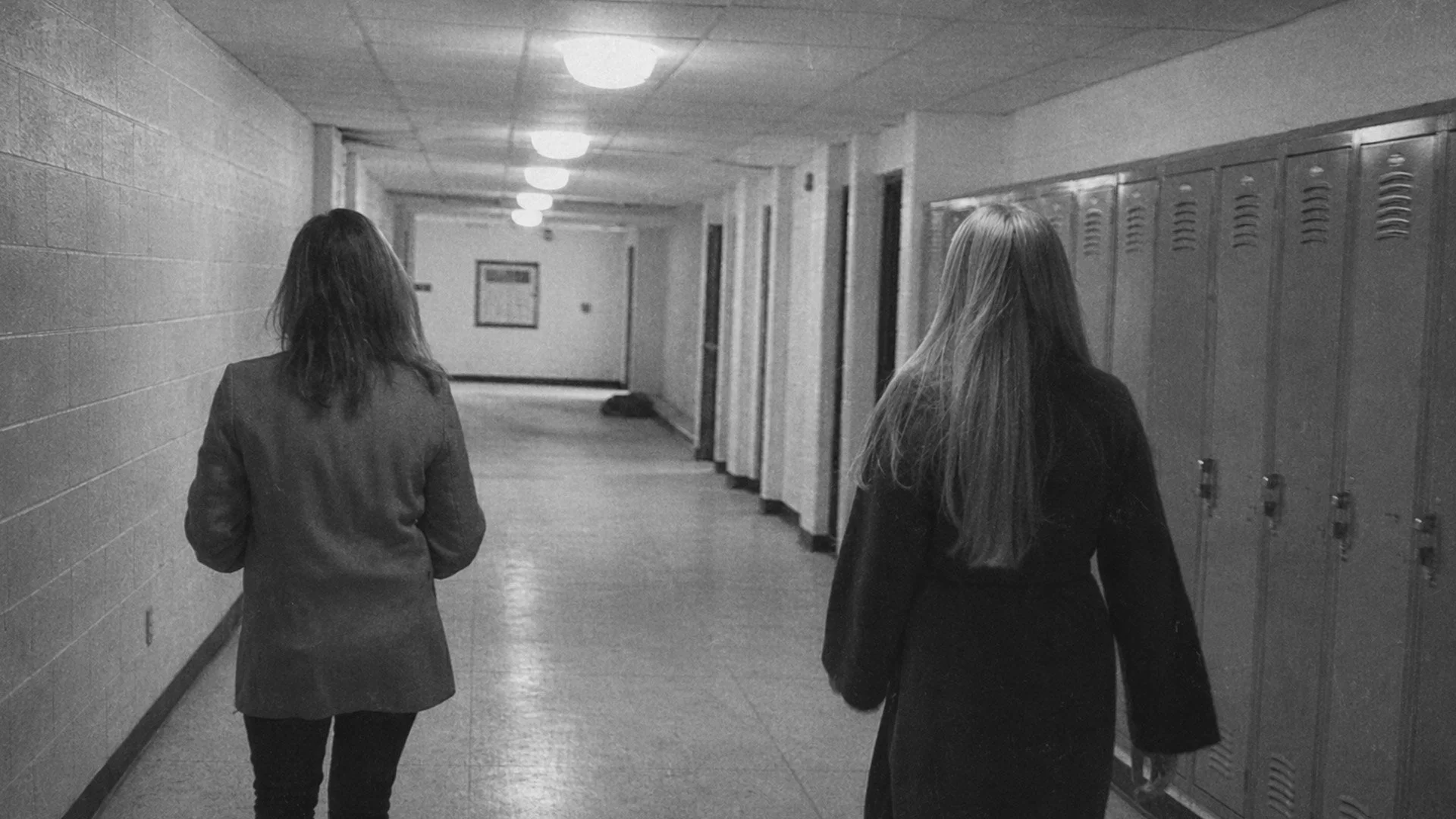
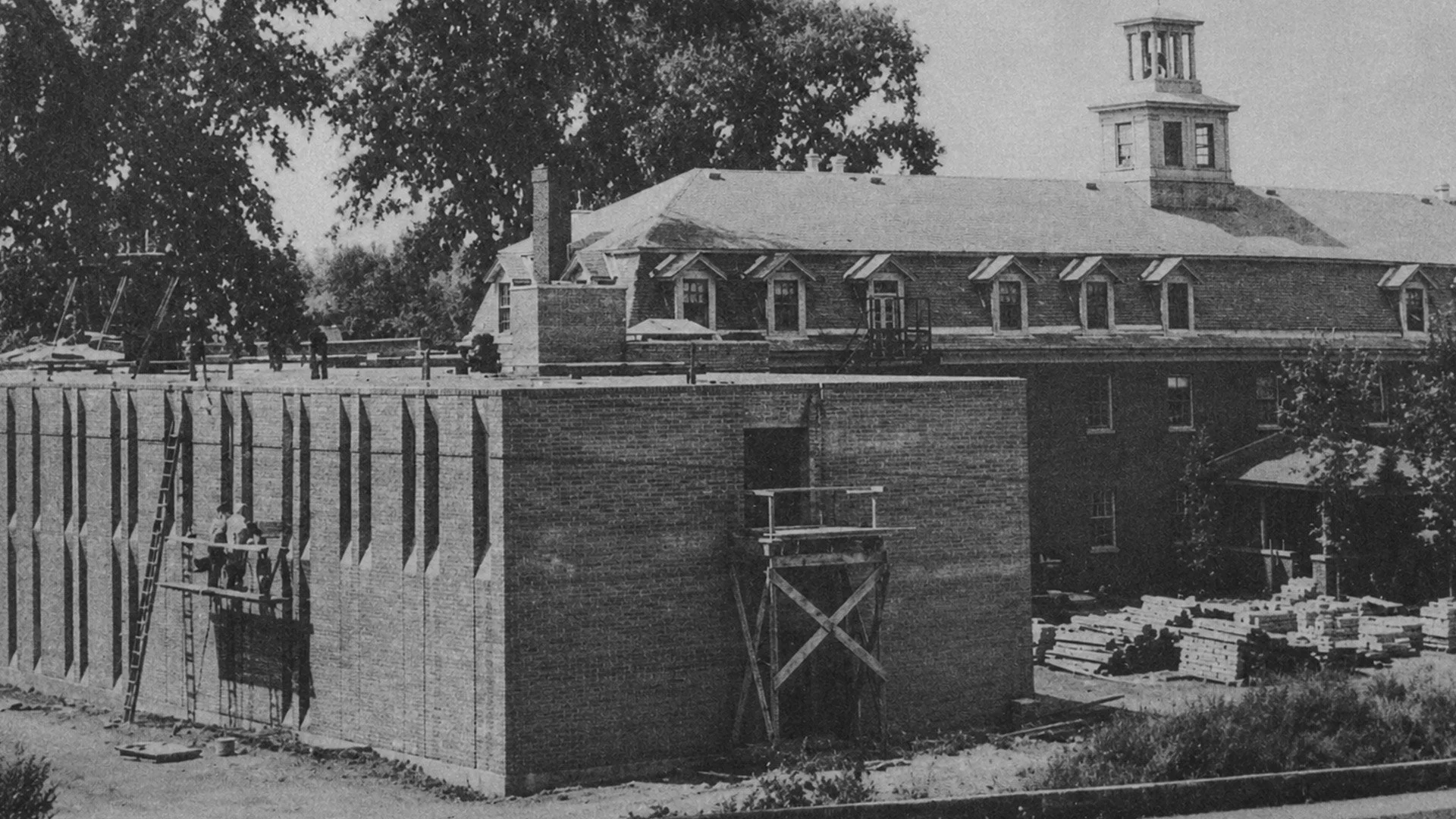
St. Vincent High School Legacy
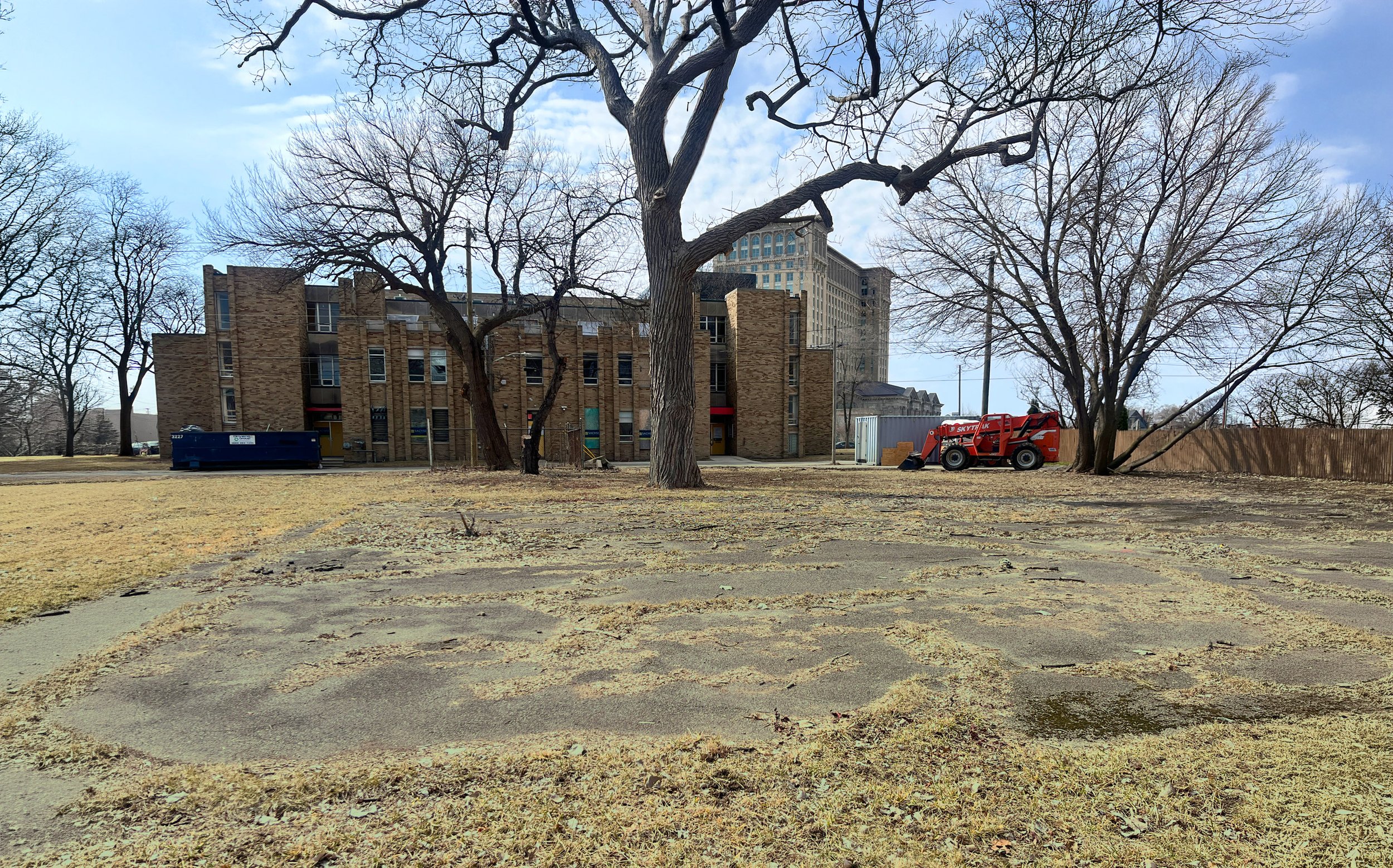
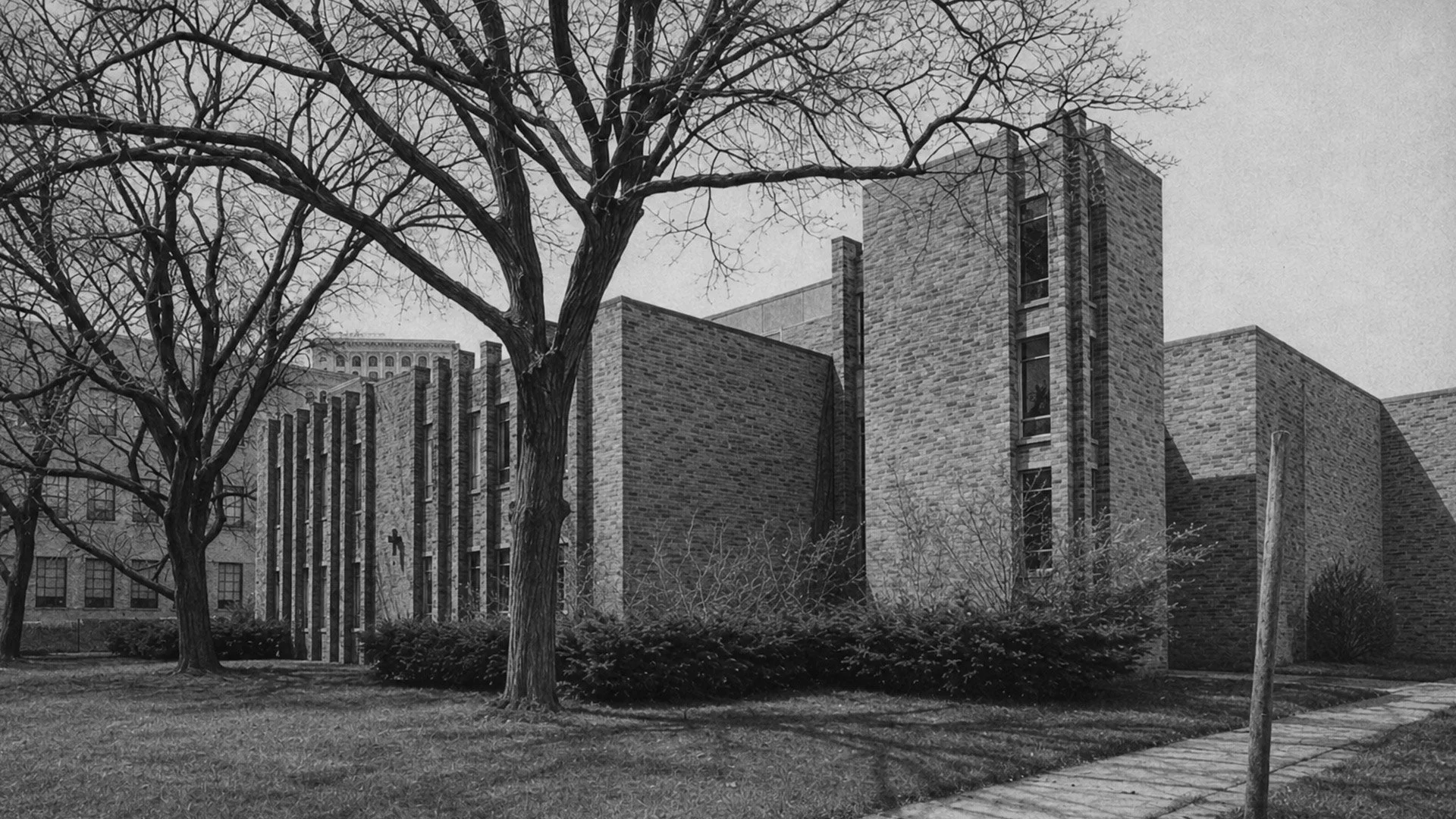
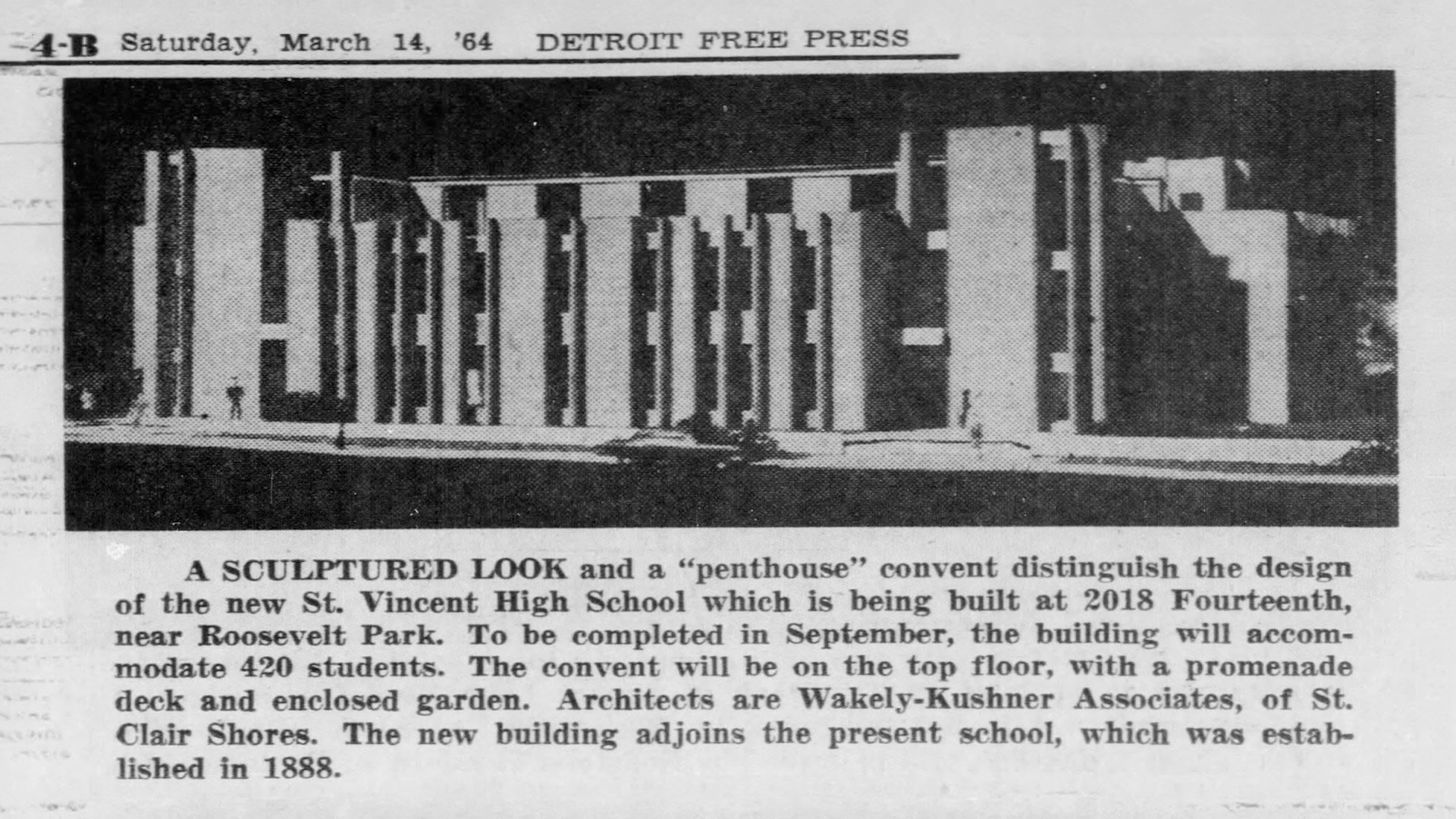
Once home to St. Vincent High School, the campus has long served as a gathering place for learning and growth. Today, Kintsugi Village is building on that history — extending the campus beyond its walls through spaces for nature, creativity, healing, and community connection.
The Opportunity
A Legacy of Learning, Reimagined
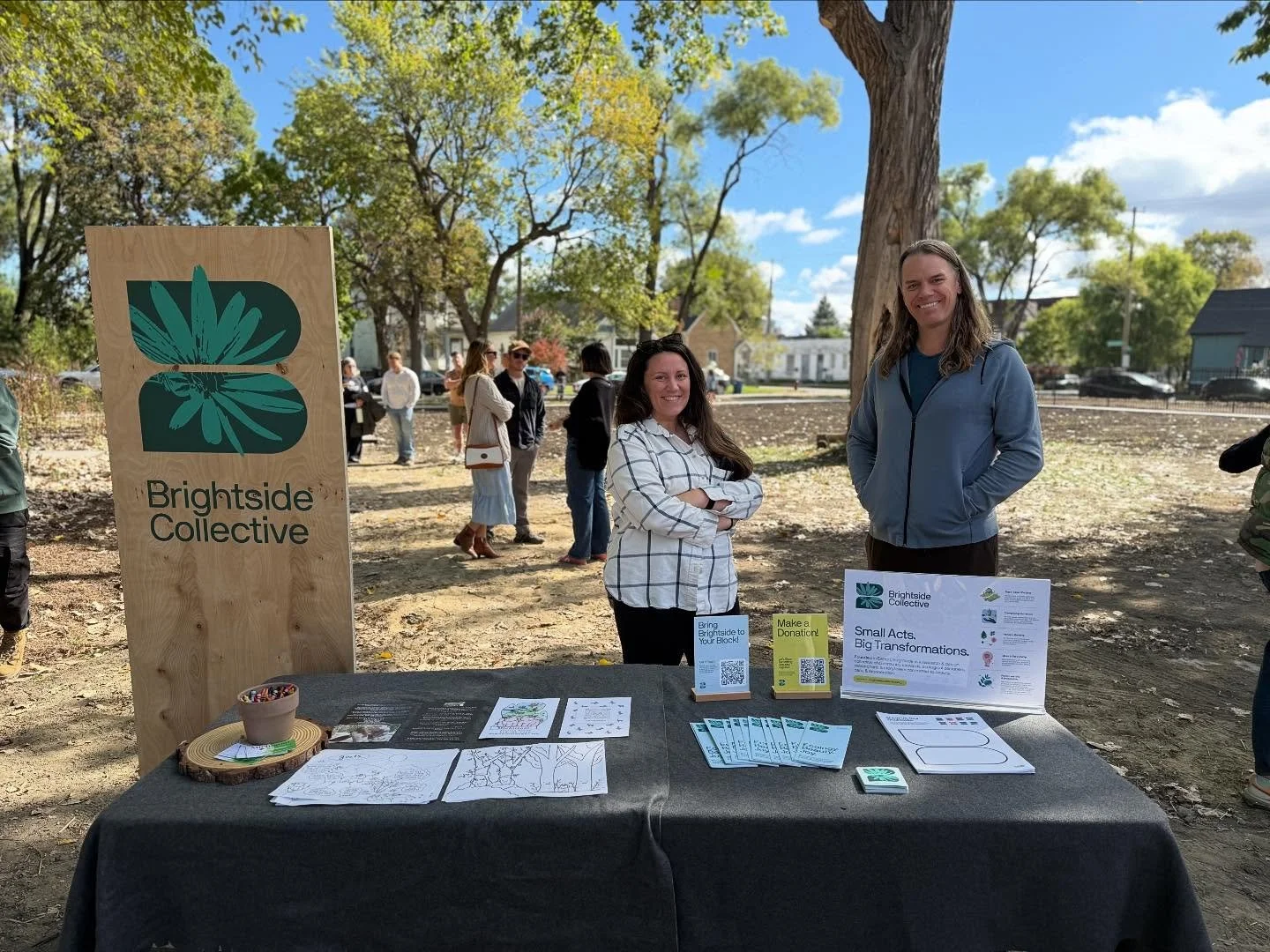
In 2025, Brightside approached Kintsugi Village with an opportunity: to plant a pocket forest on part of its open land in partnership with SUGi, an international pocket forest organization, with funding from the Life Time Foundation.
Kintsugi said yes.
That initial invitation became the seed for something larger. While organizing the pocket forest effort, Brightside was brought on to support the broader design and activation of Kintsugi’s outdoor property. This was not a single greening project. It was the design of a living campus.
The Work Included:
Initiating and organizing the pocket forest opportunity
Coordinating partners across ecology, community, design, and implementation
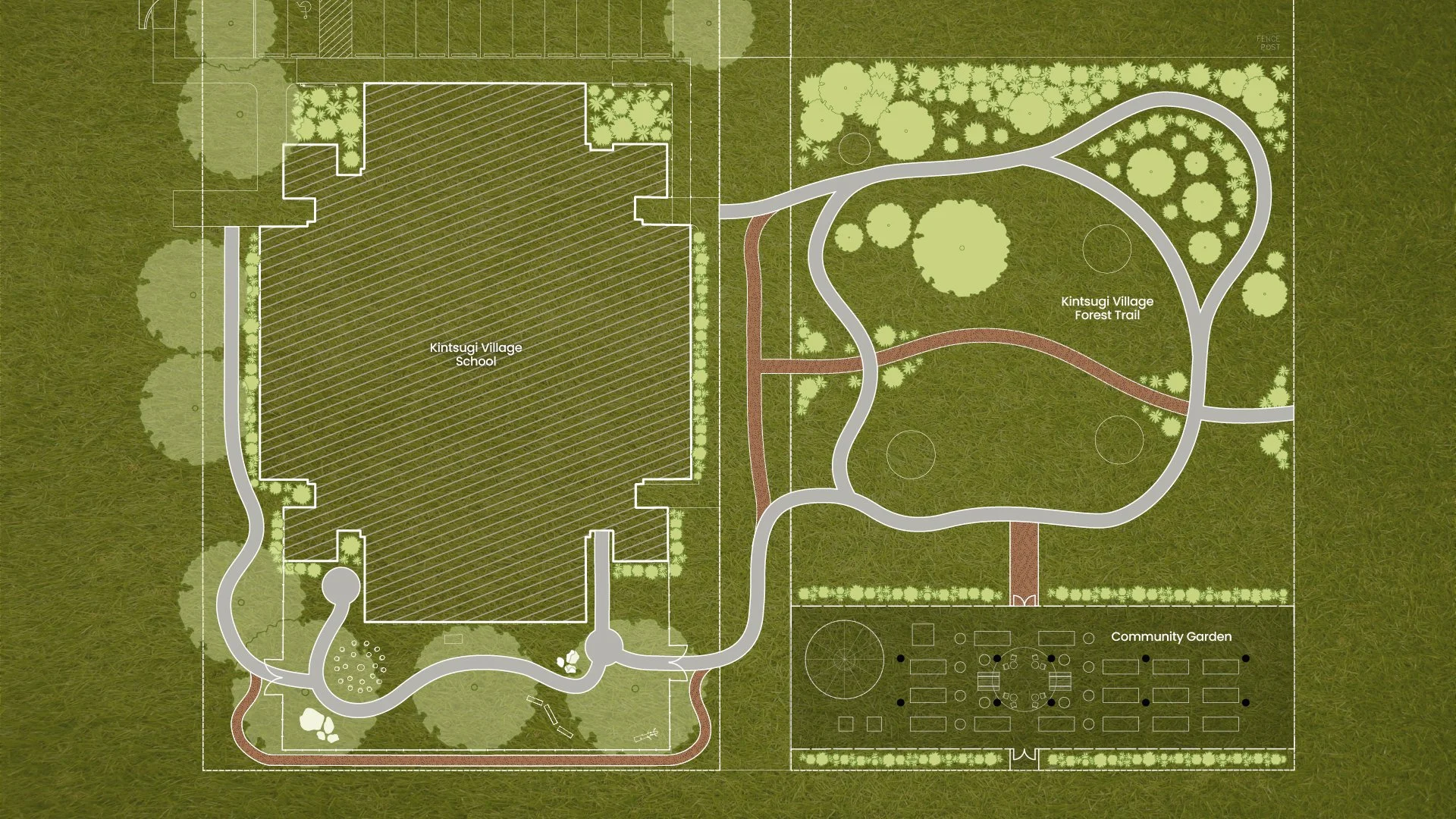
Designing the broader outdoor space as a connected system
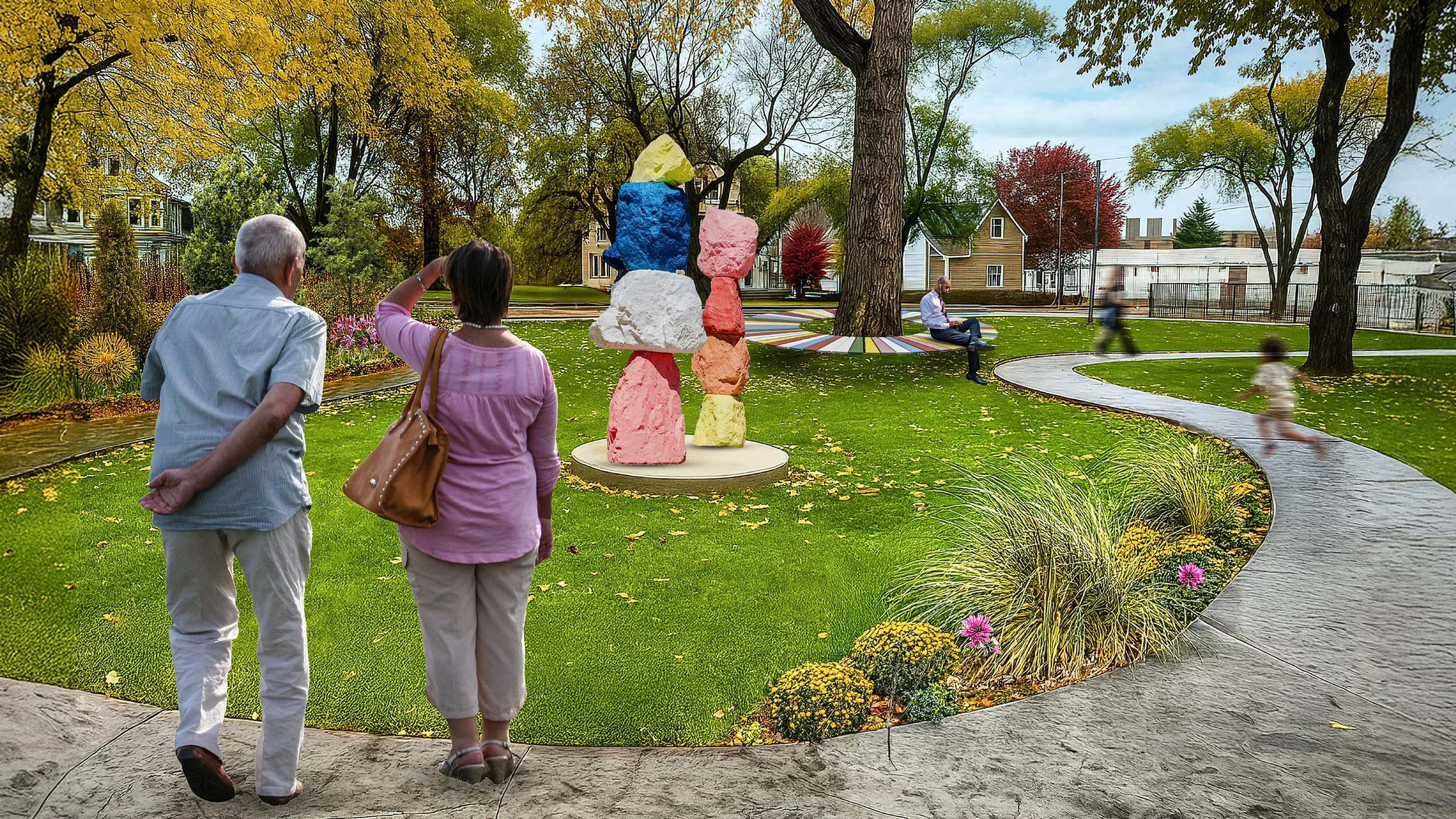
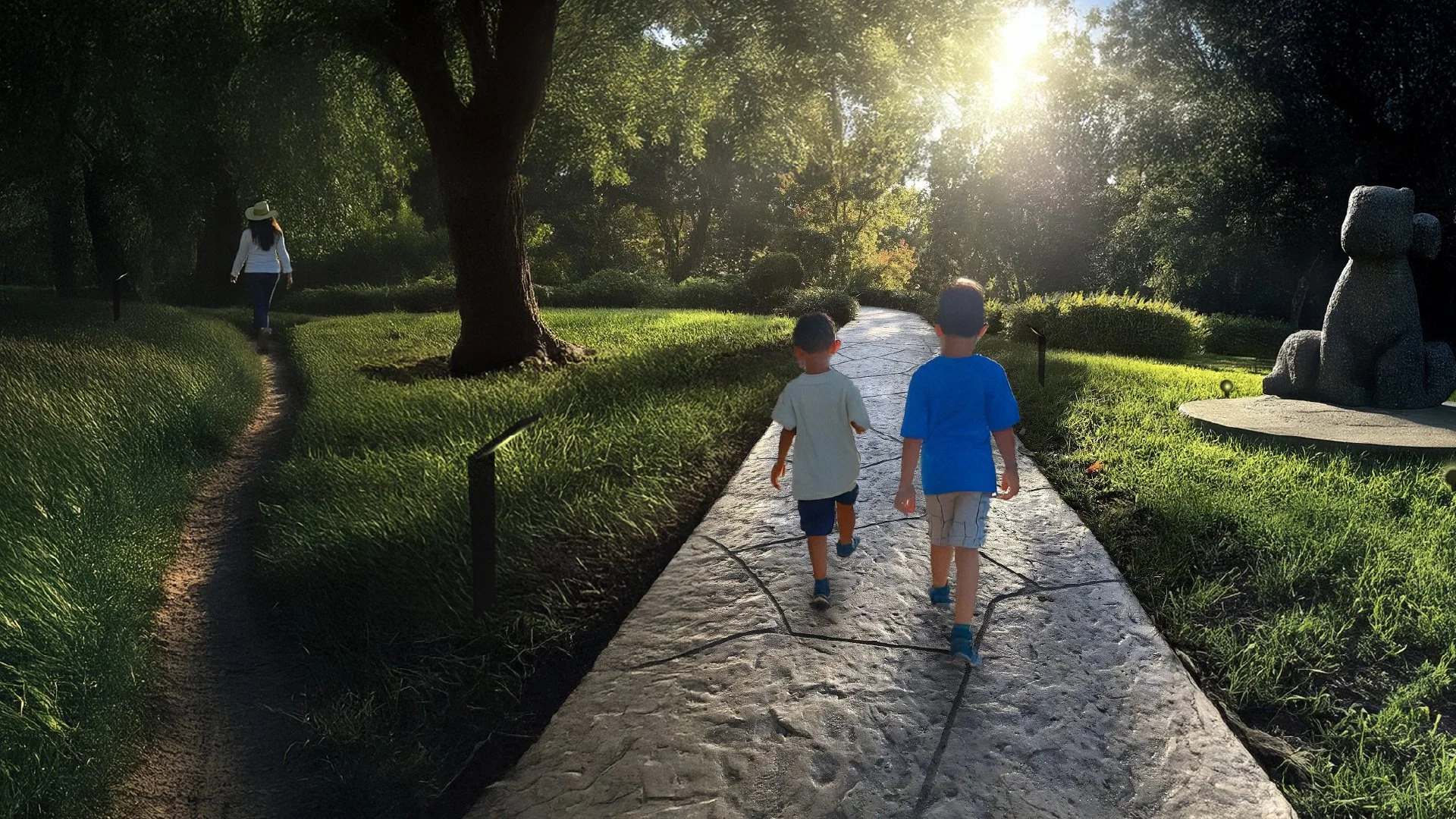
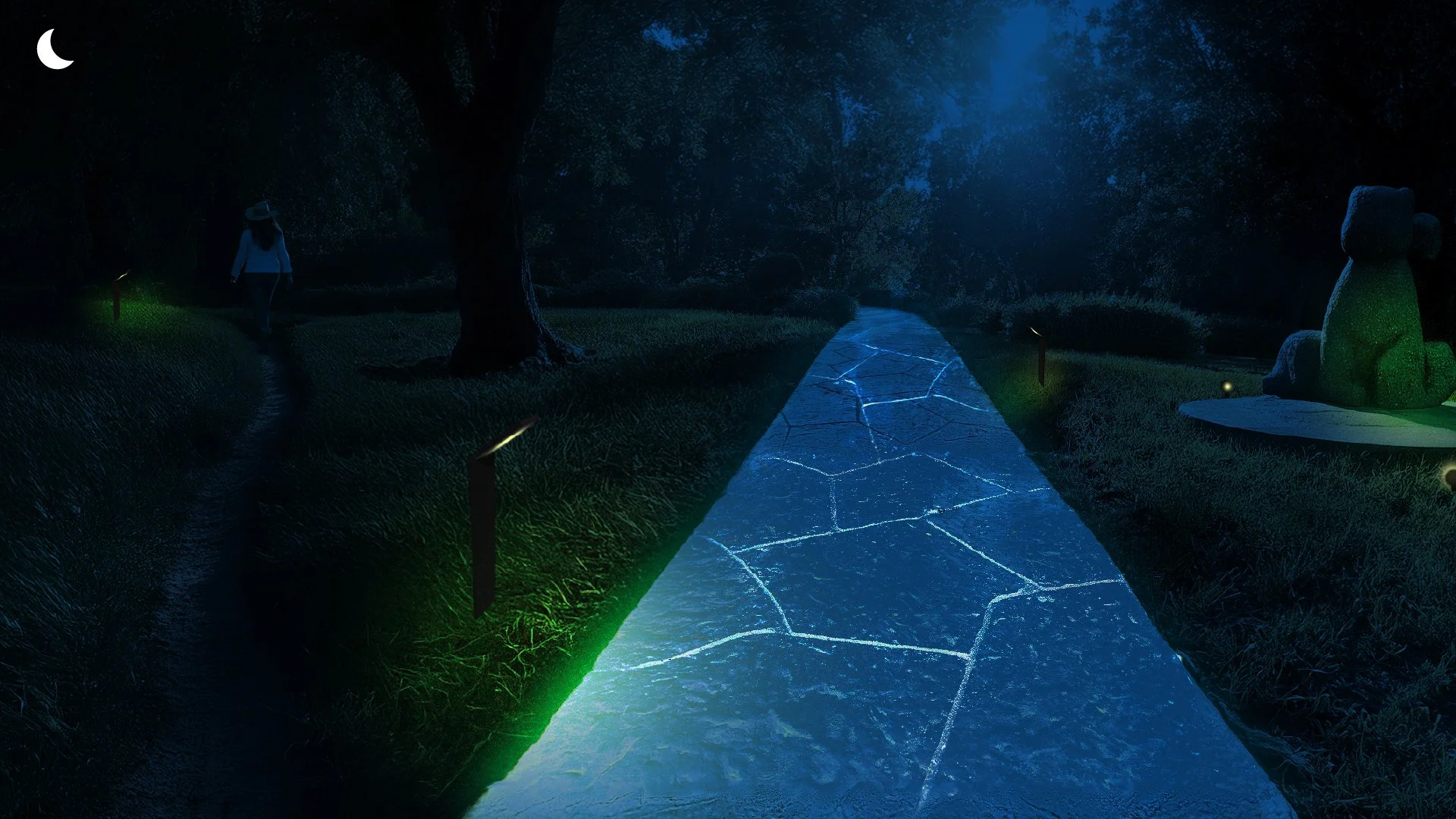
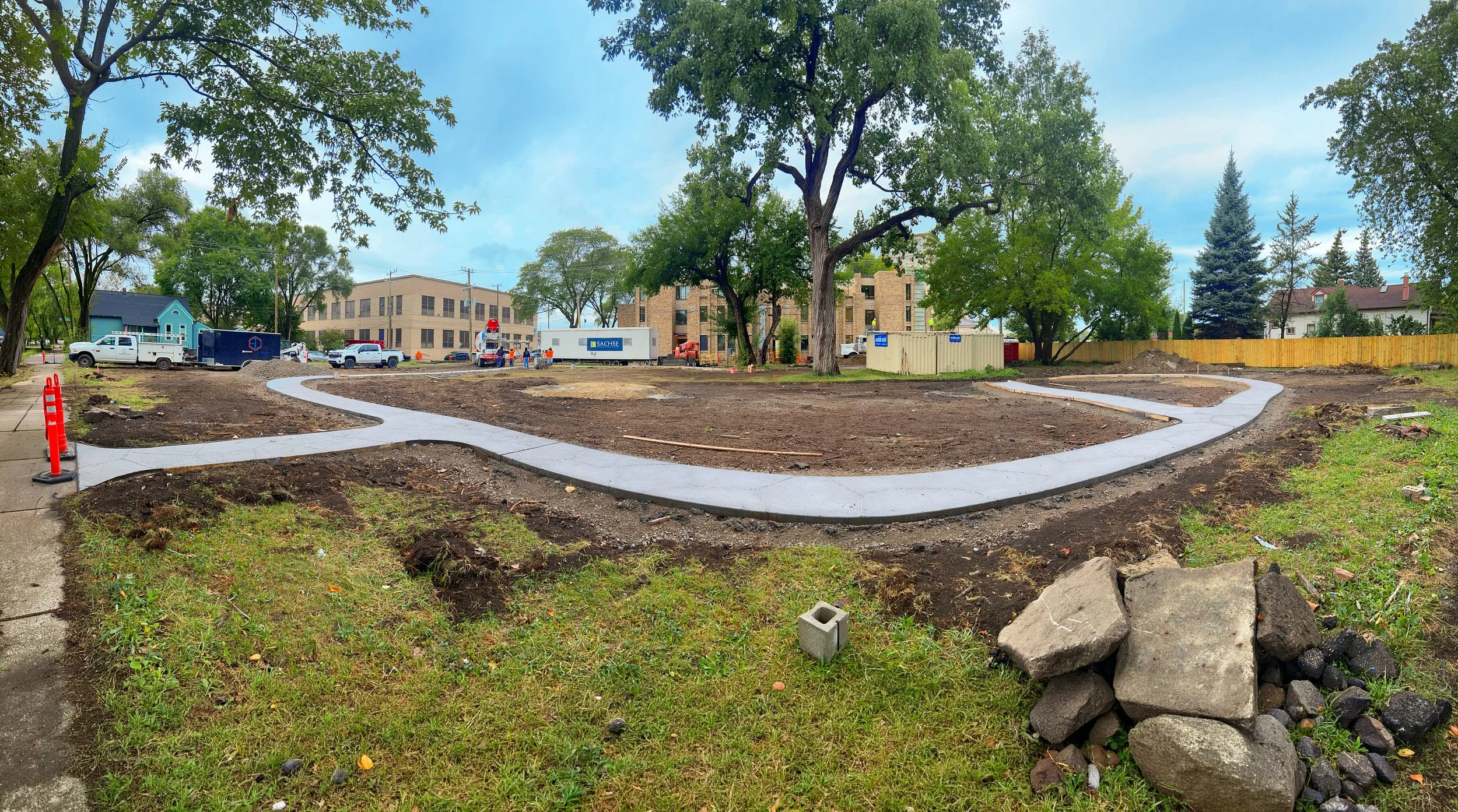
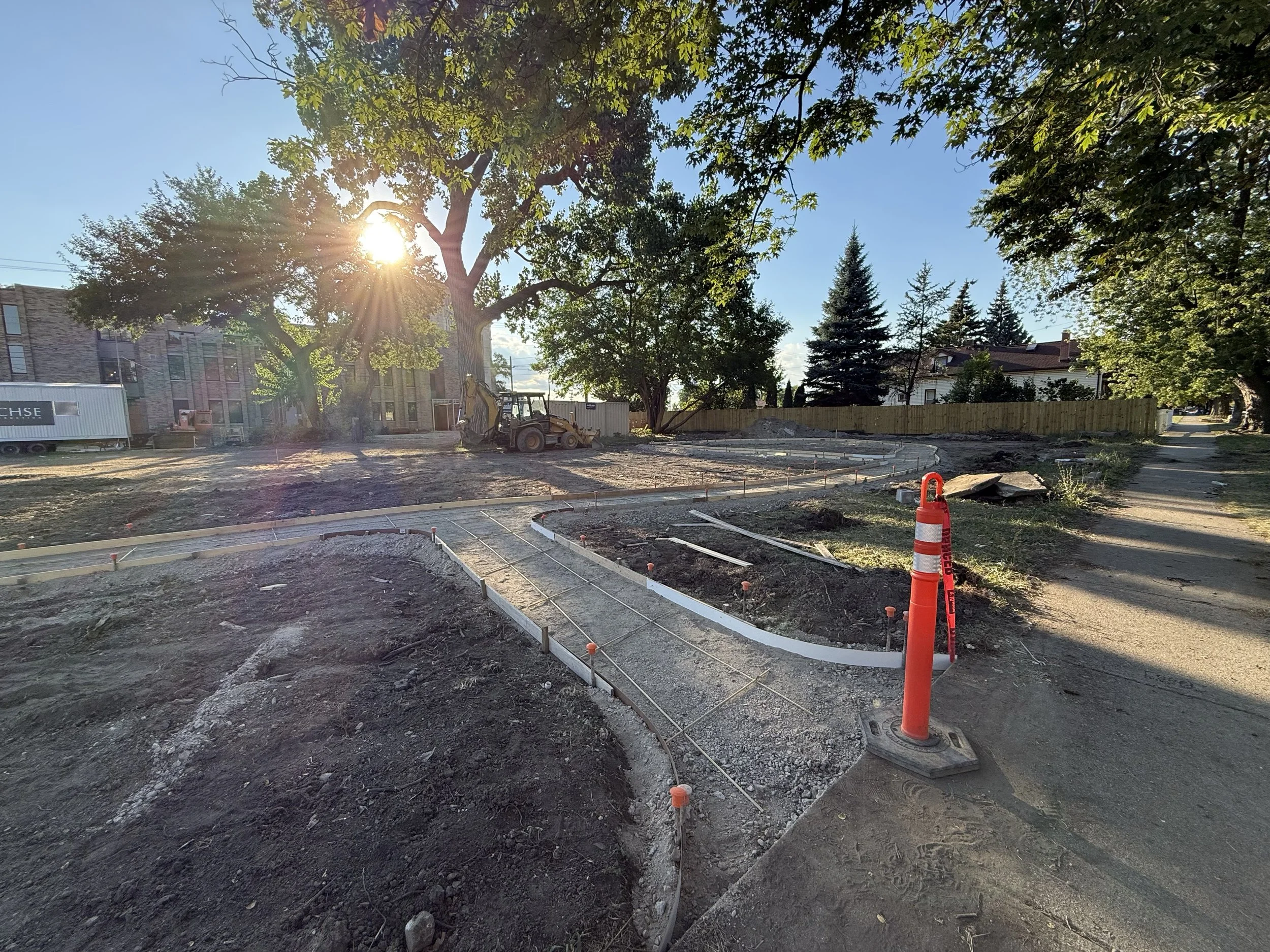
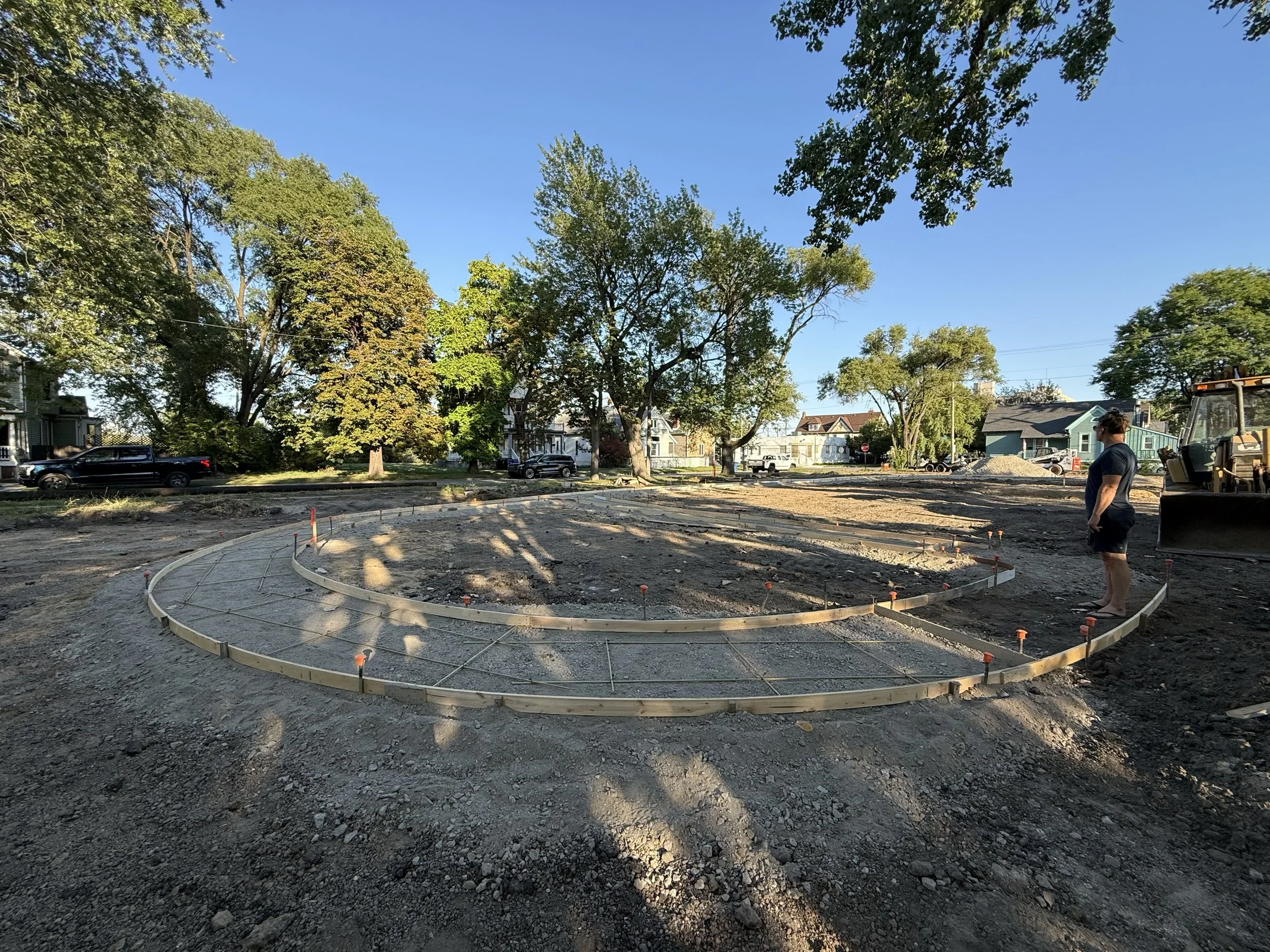
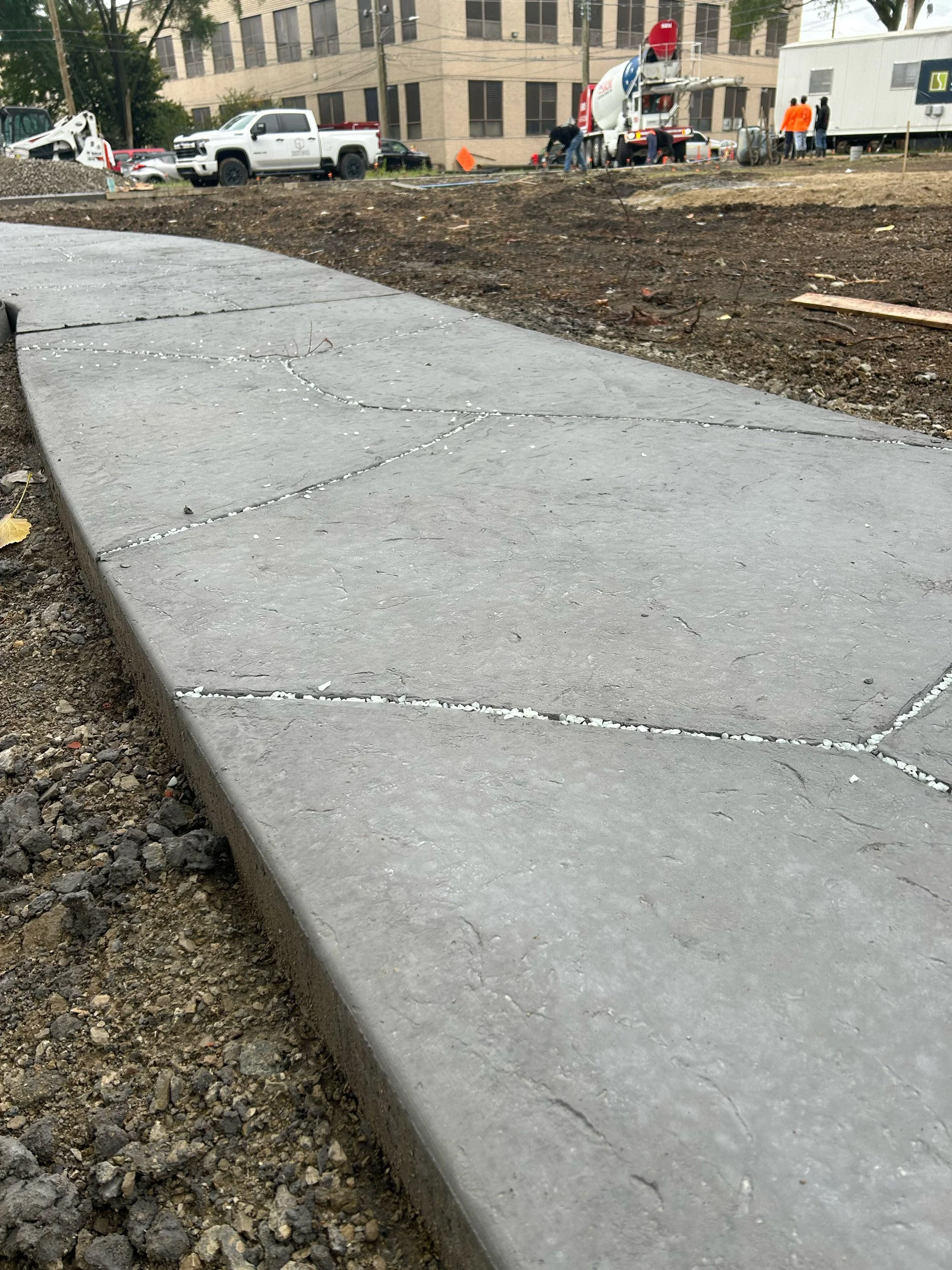
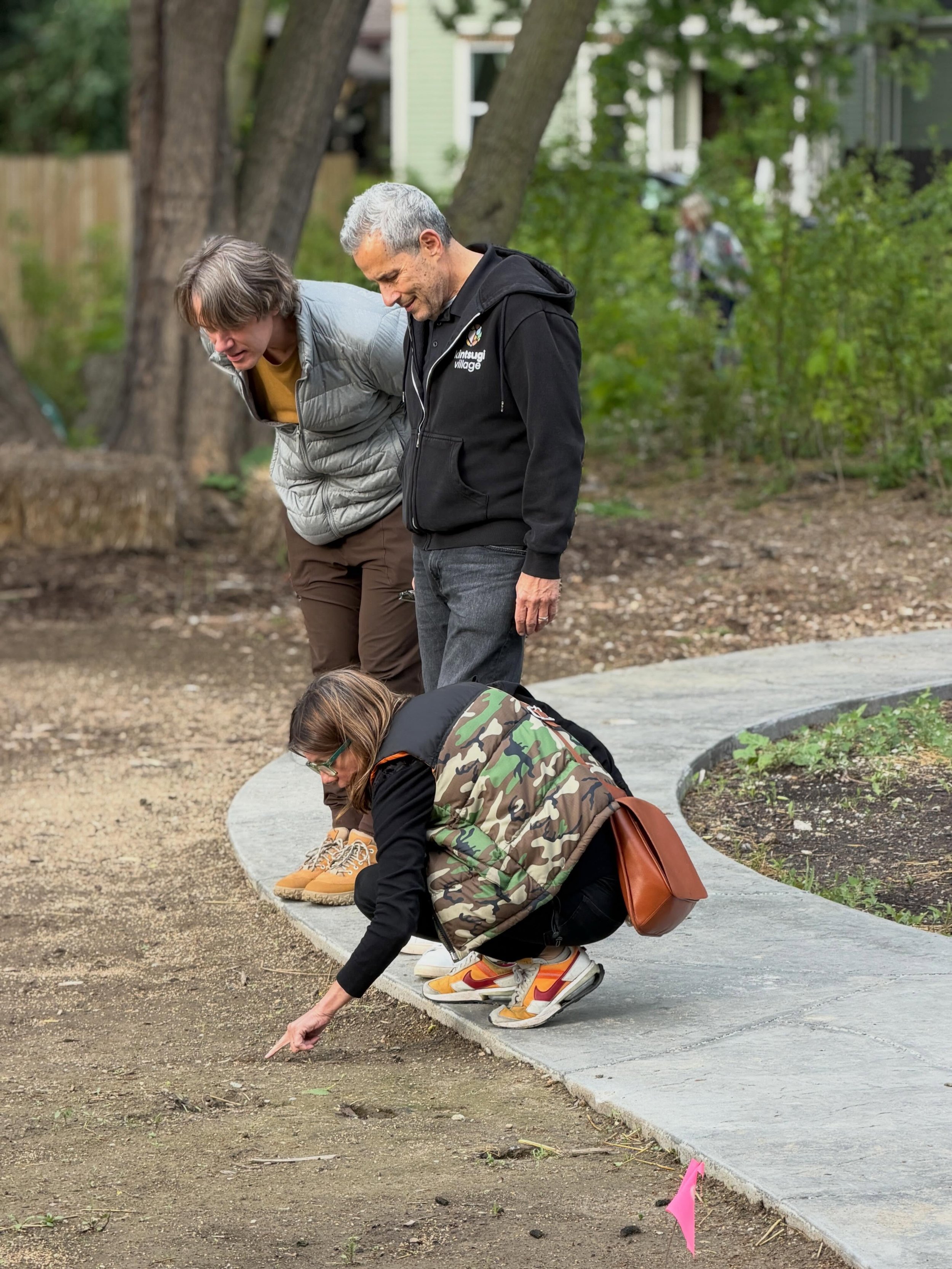
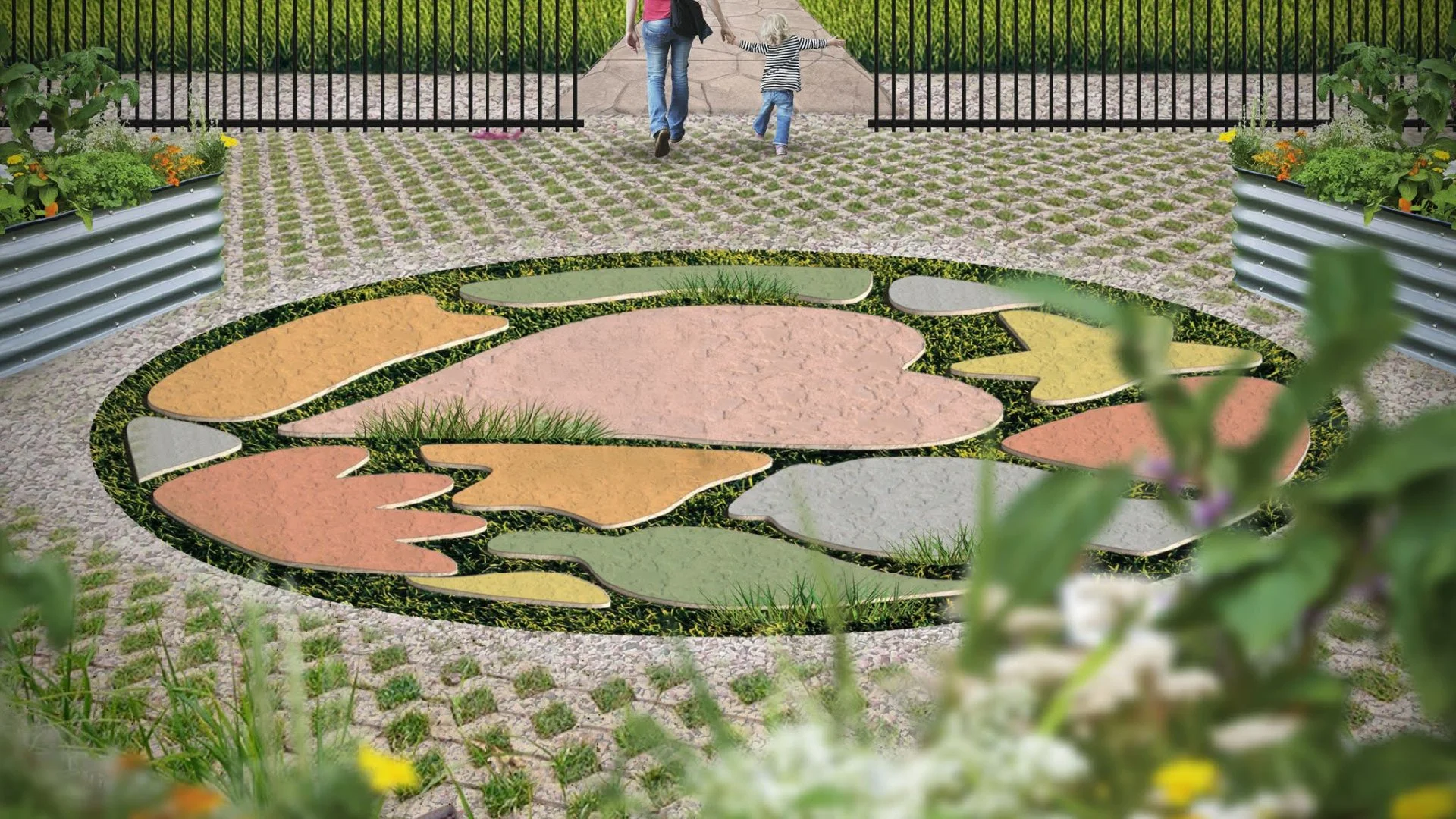
Creating a trail and pathway concept that wraps around the property
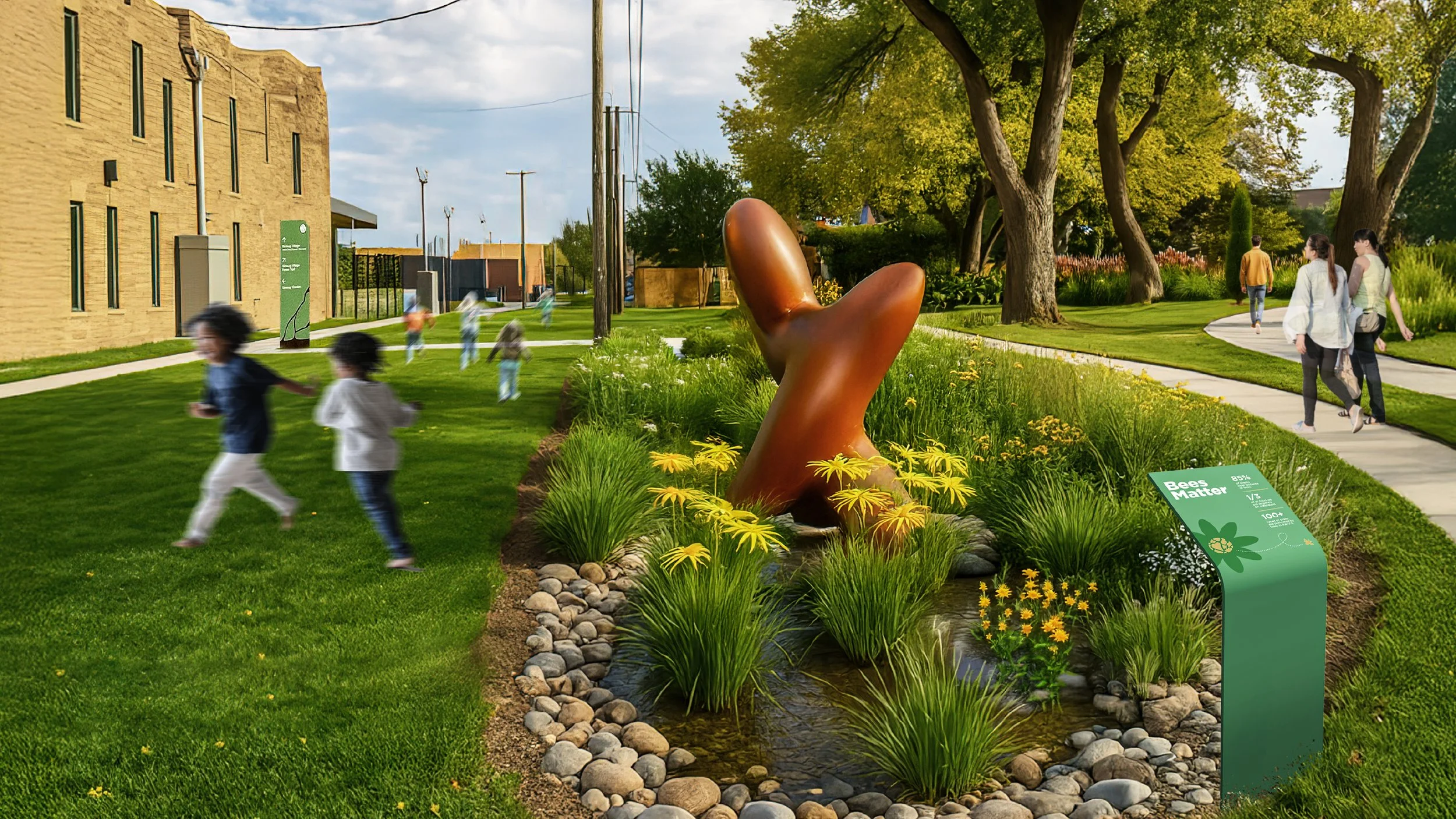
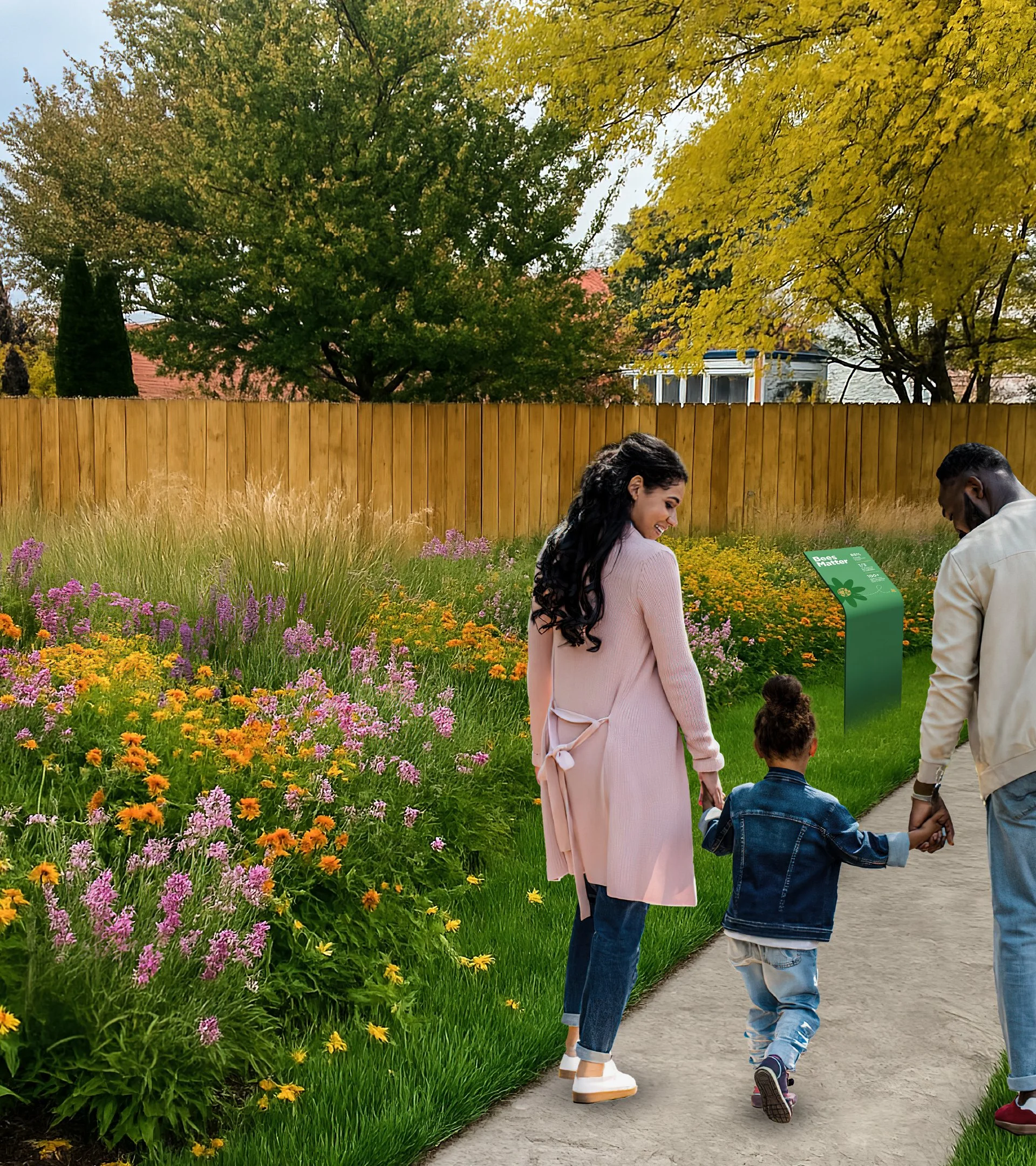
Identifying zones for mini meadows, native plantings, rain gardens, and ecological demonstration areas
Connecting the landscape to the 26-bed raised garden and culinary programming
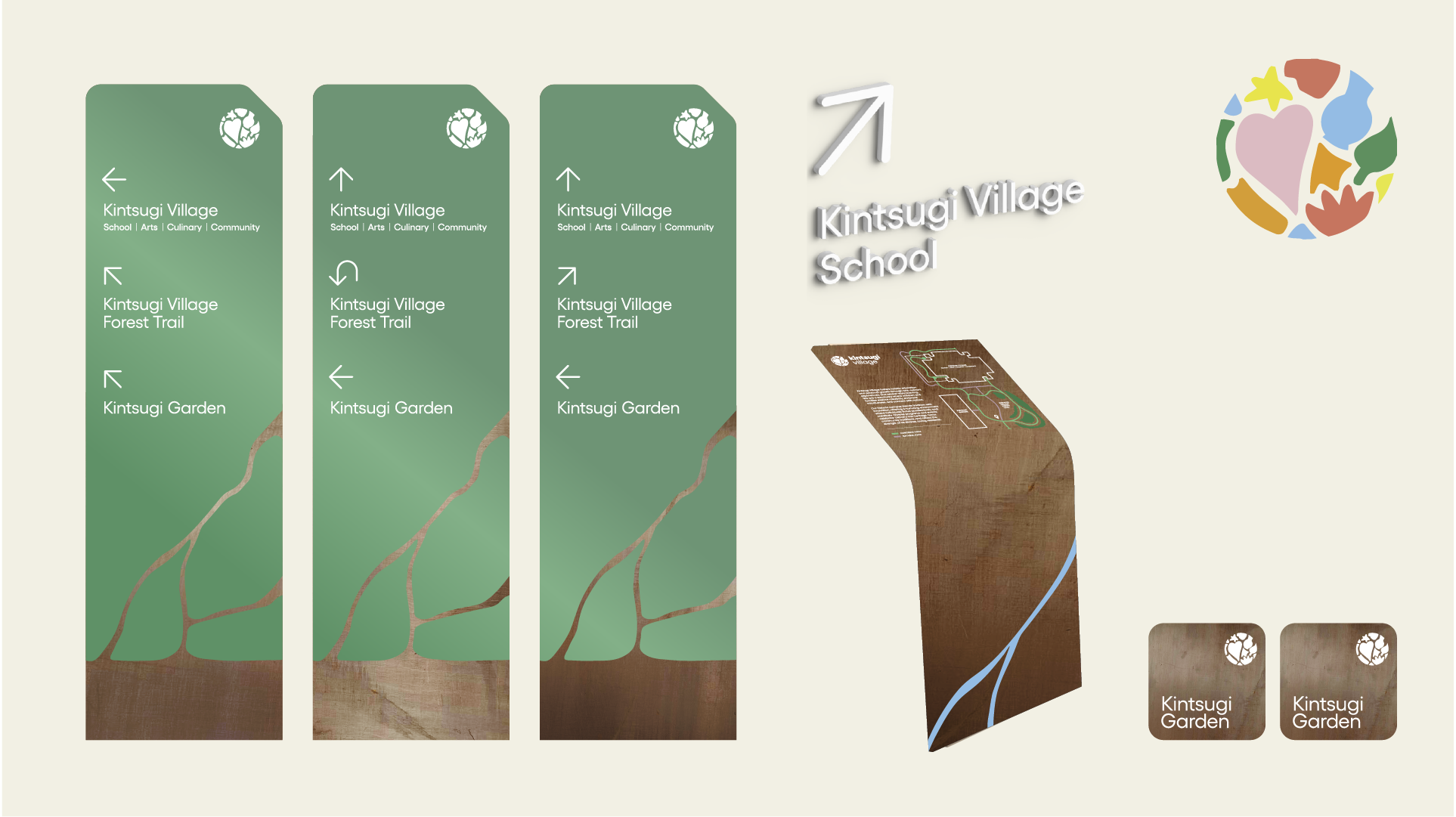
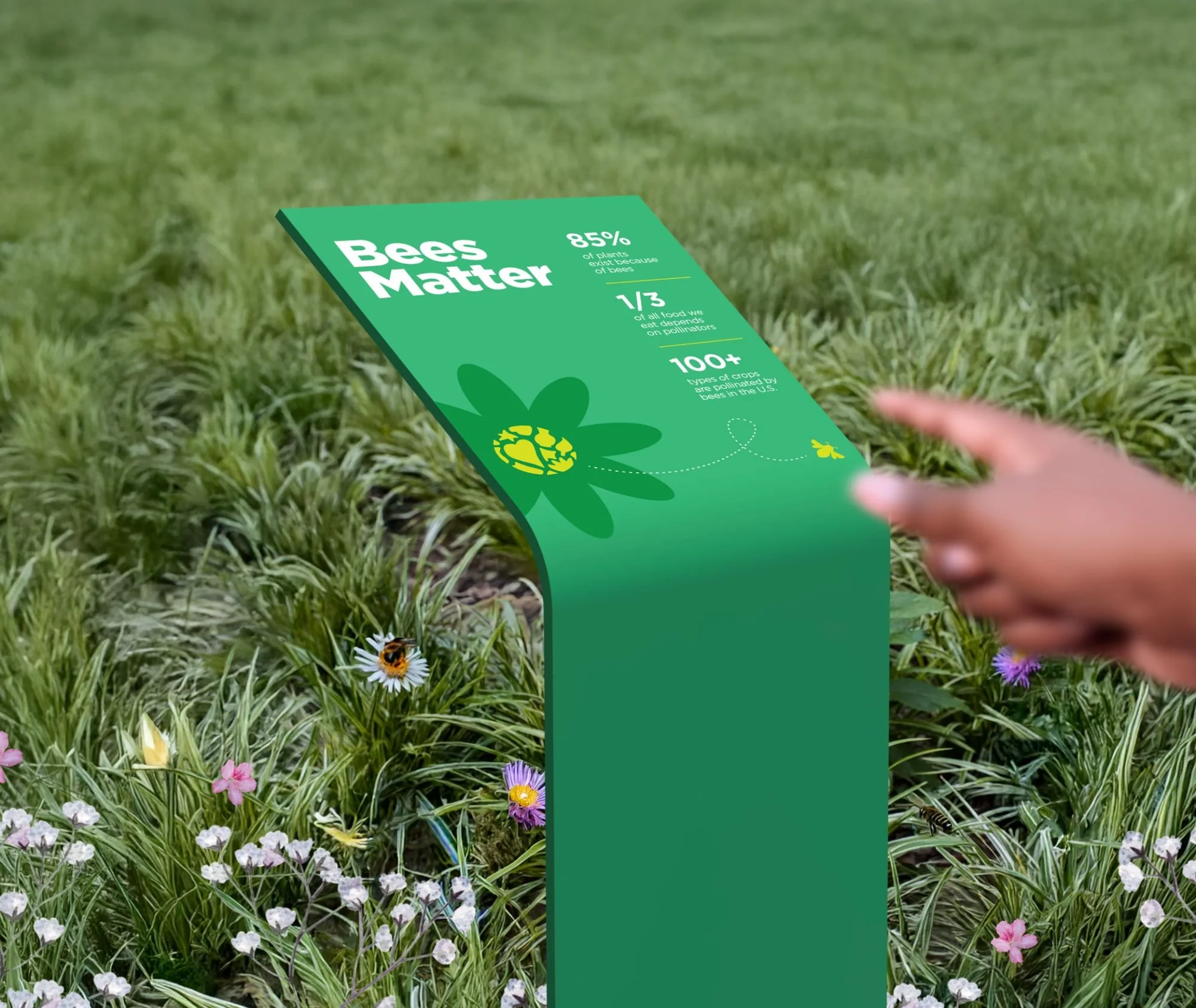
Bringing in partners for wayfinding, planting, forest installation, and habitat design

Trail System Build-Out

What Took Shape
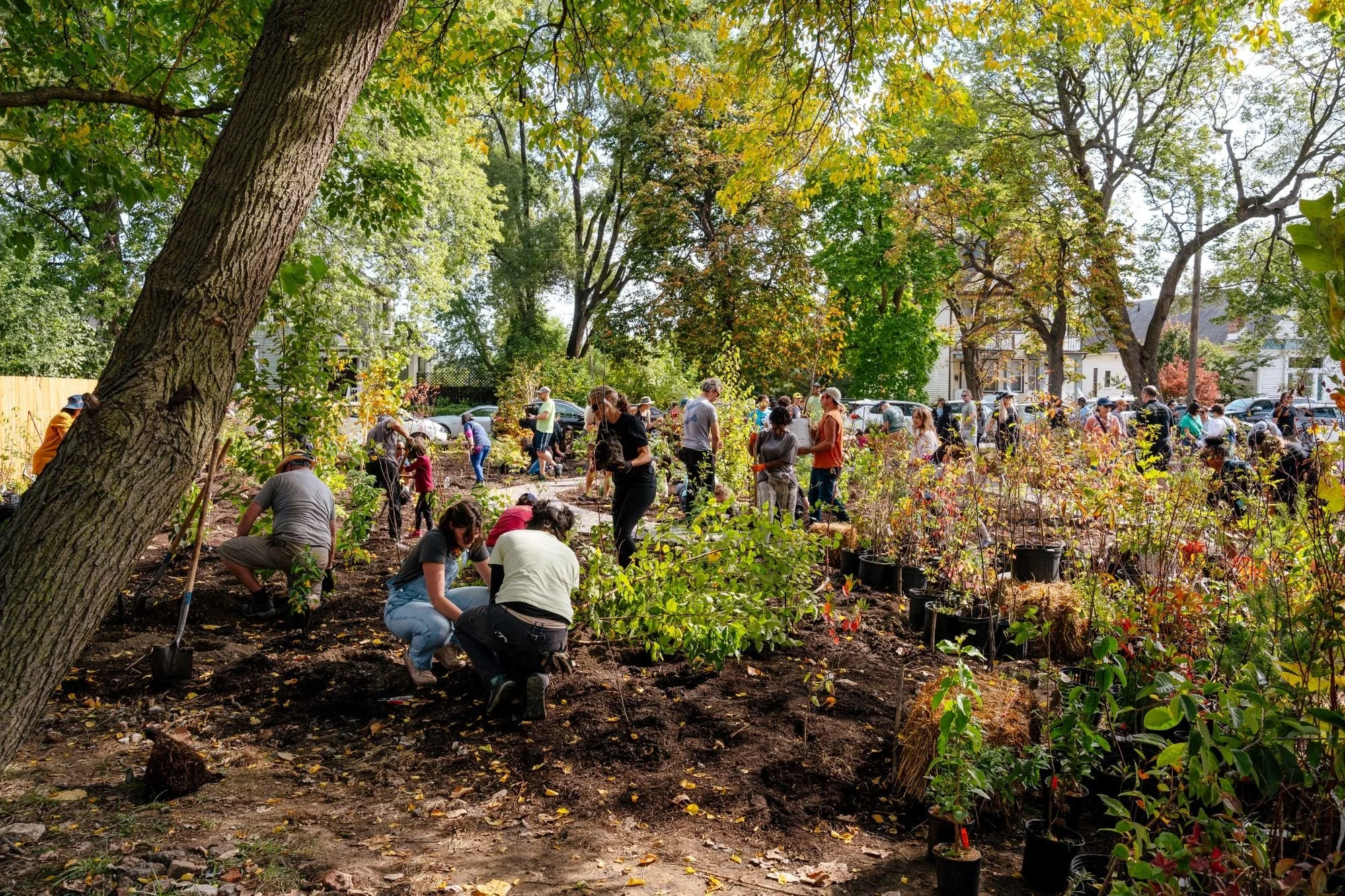
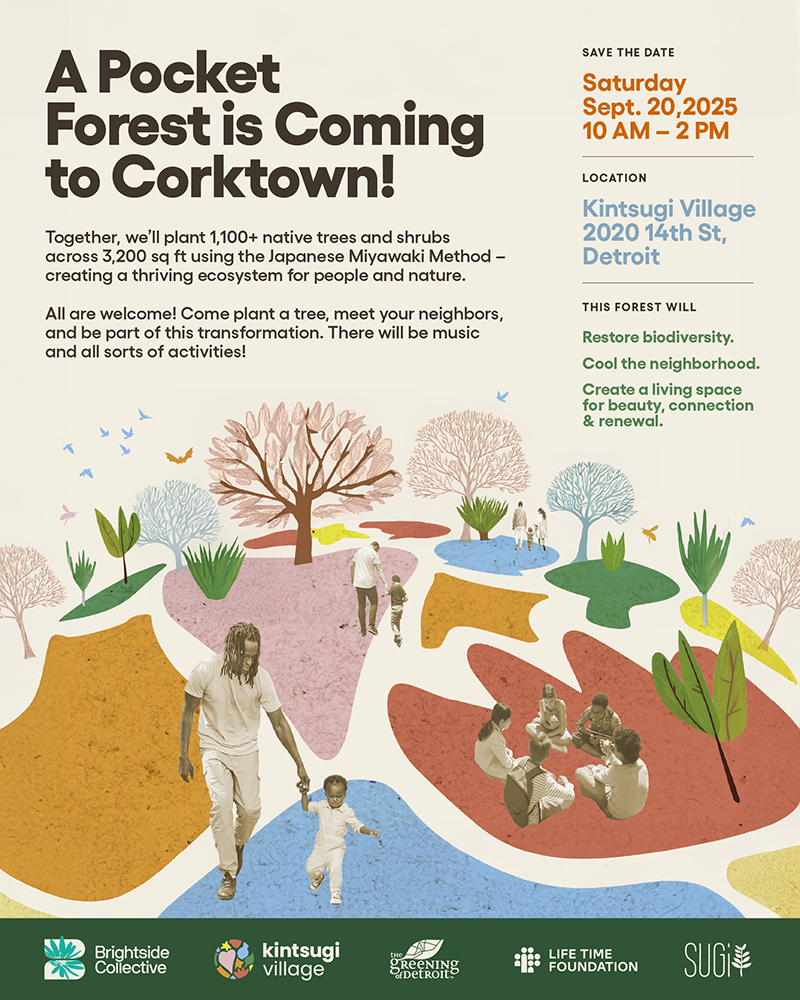
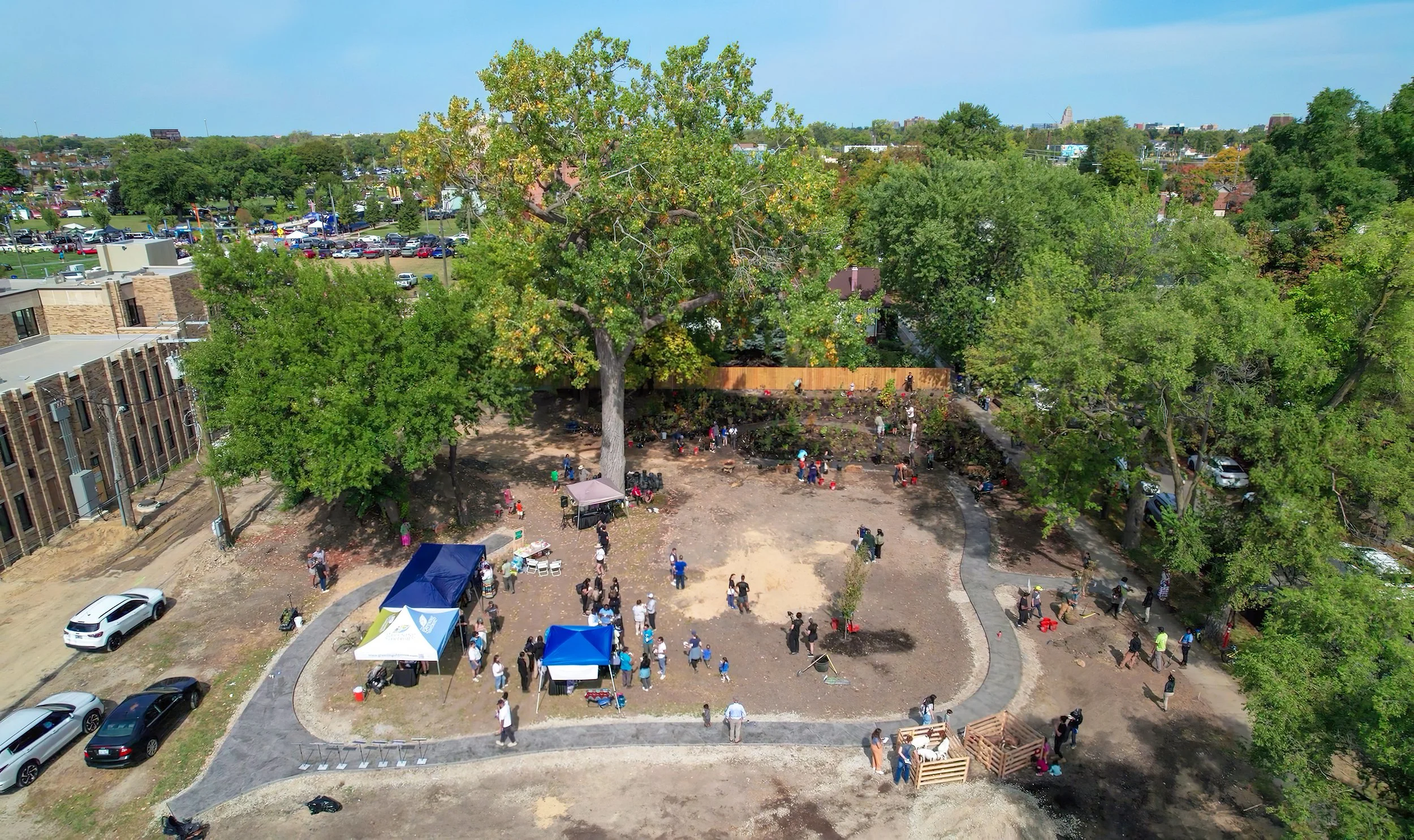
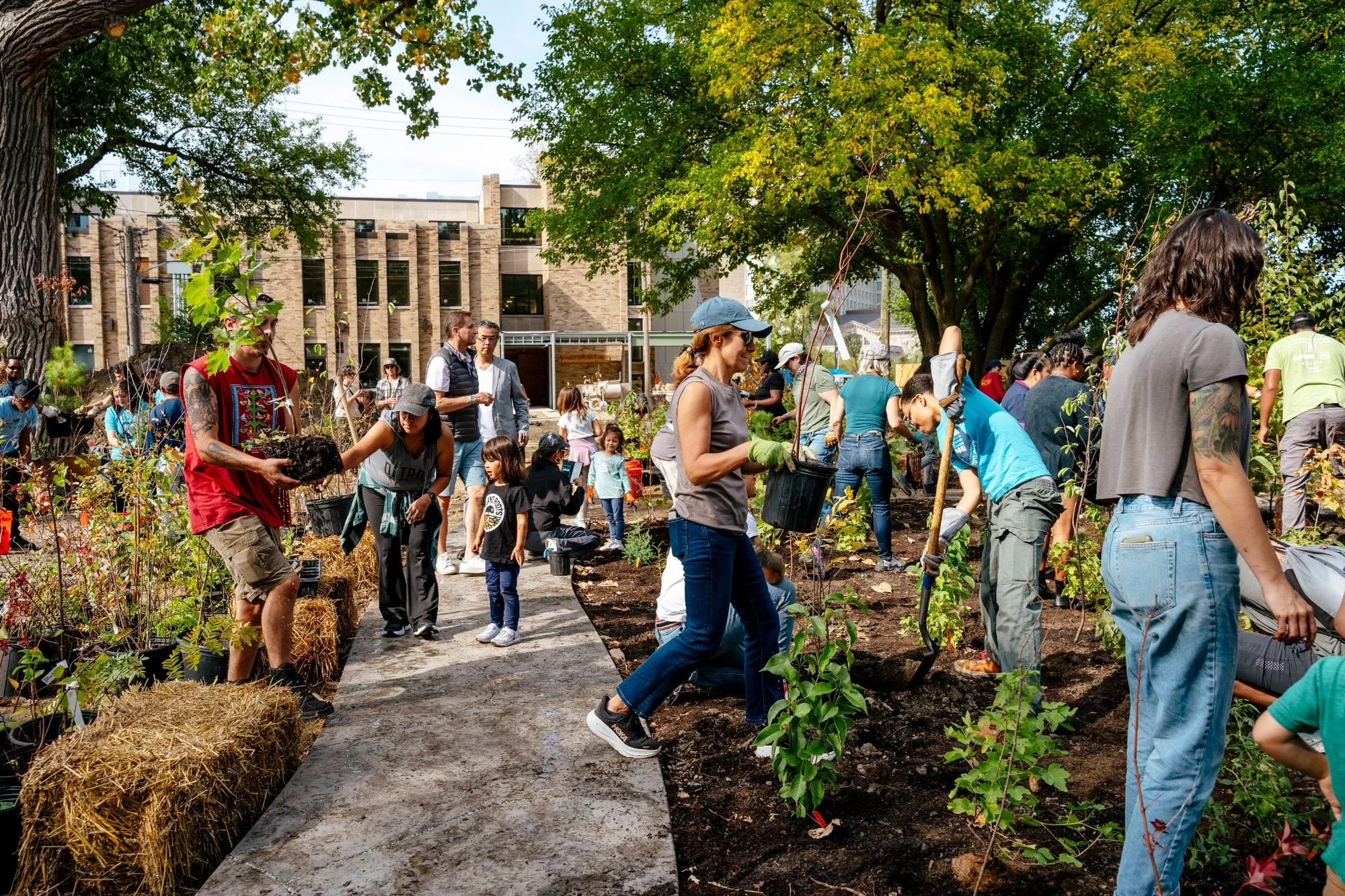
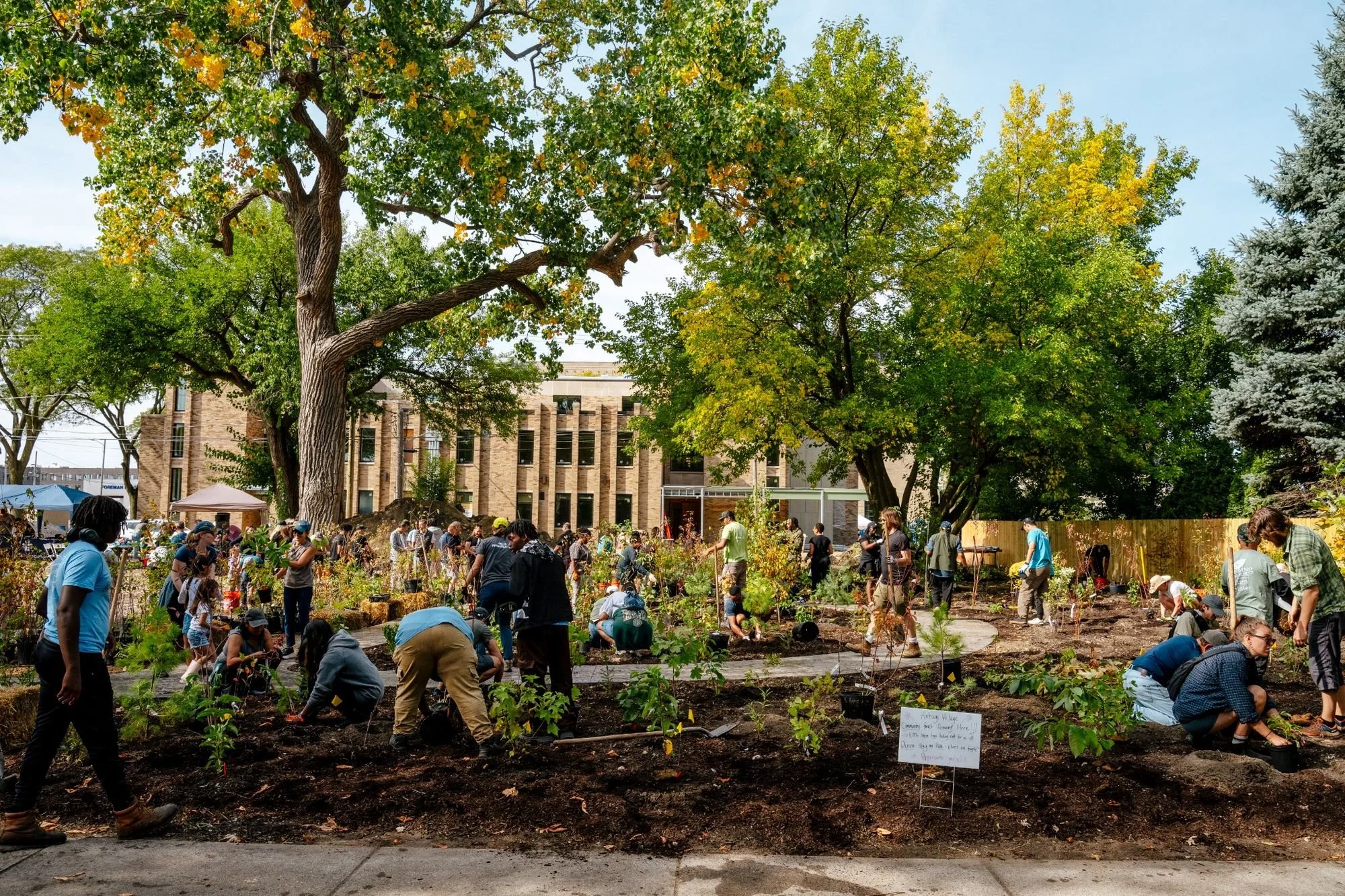
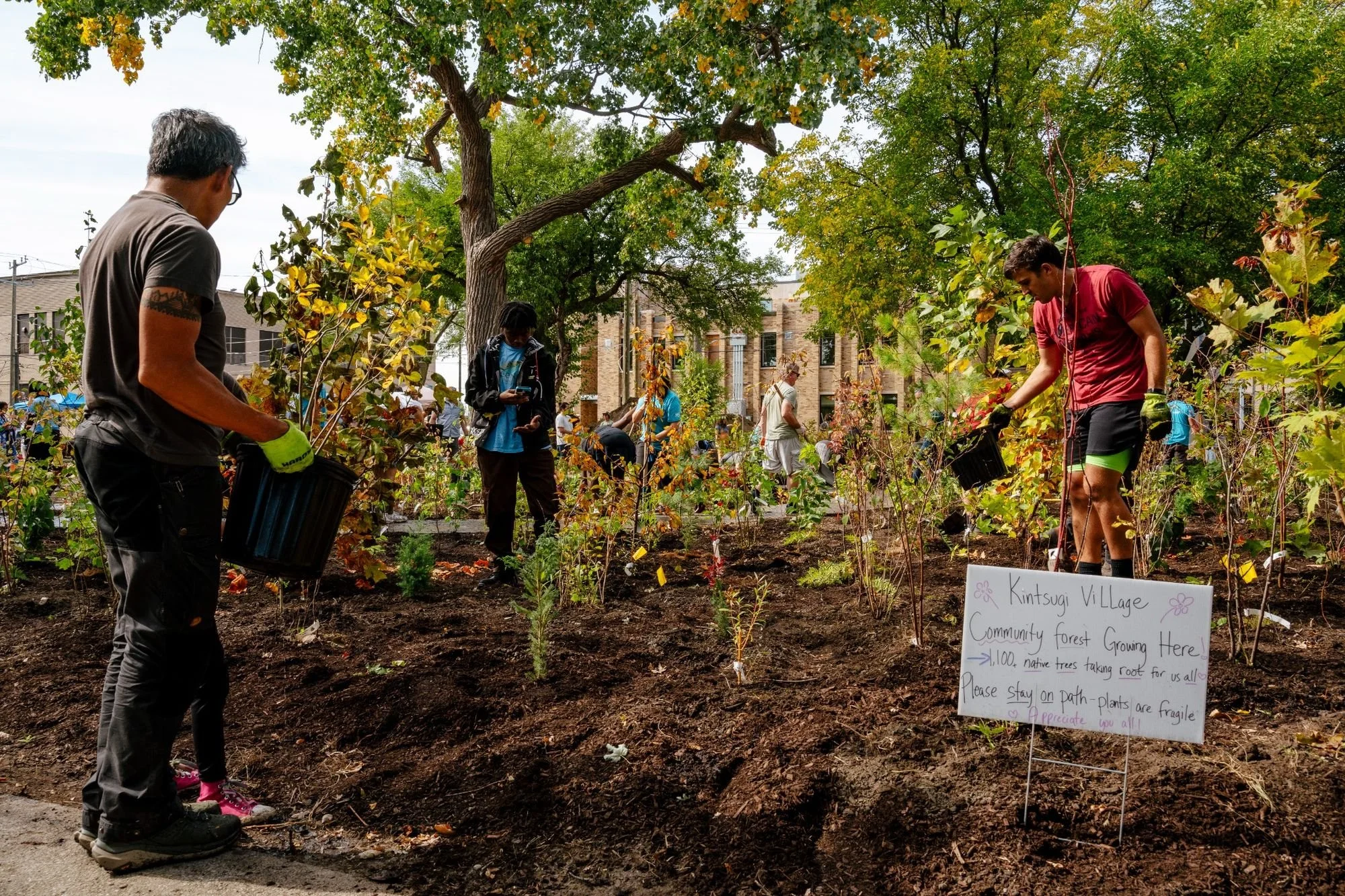
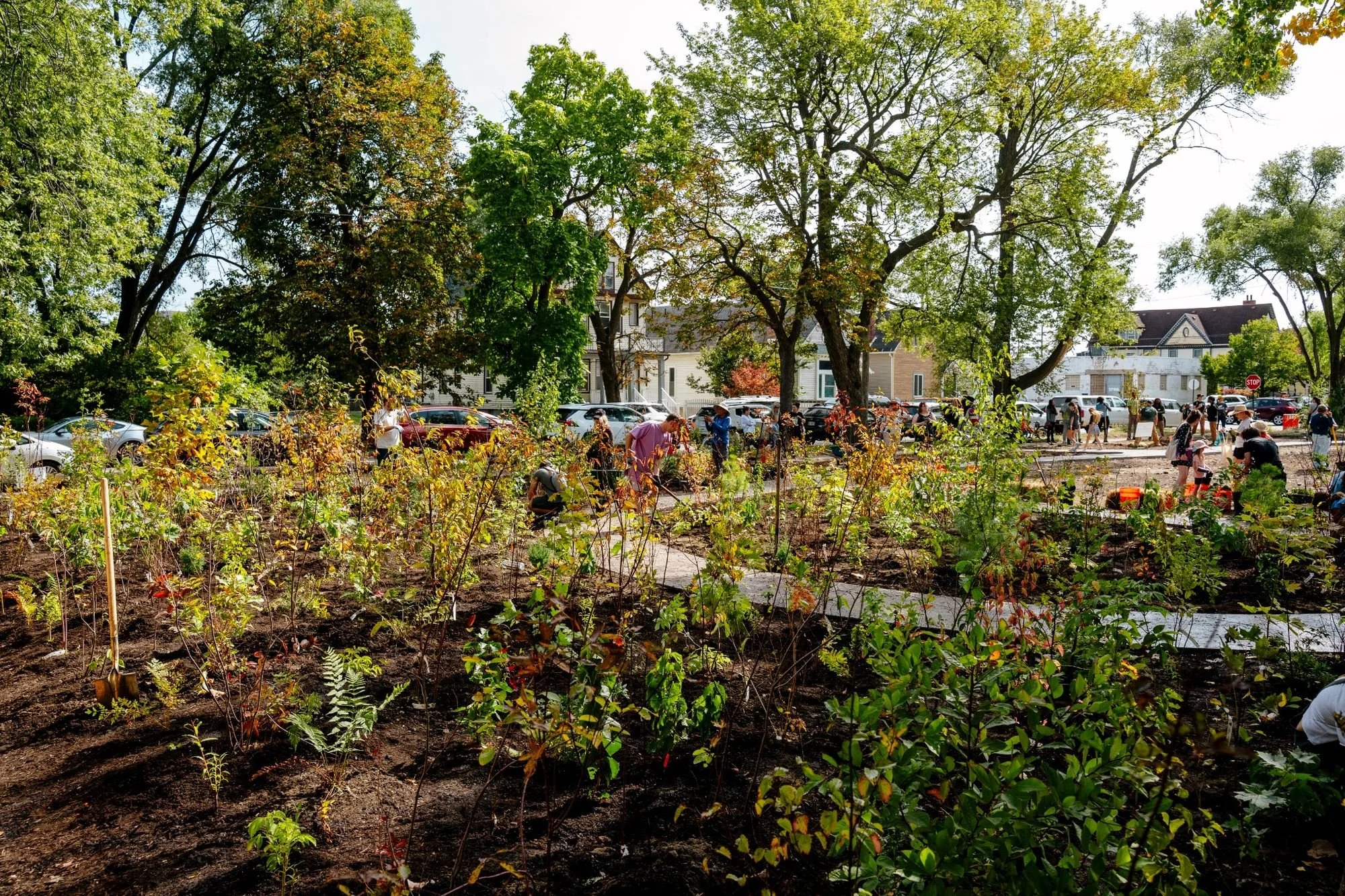
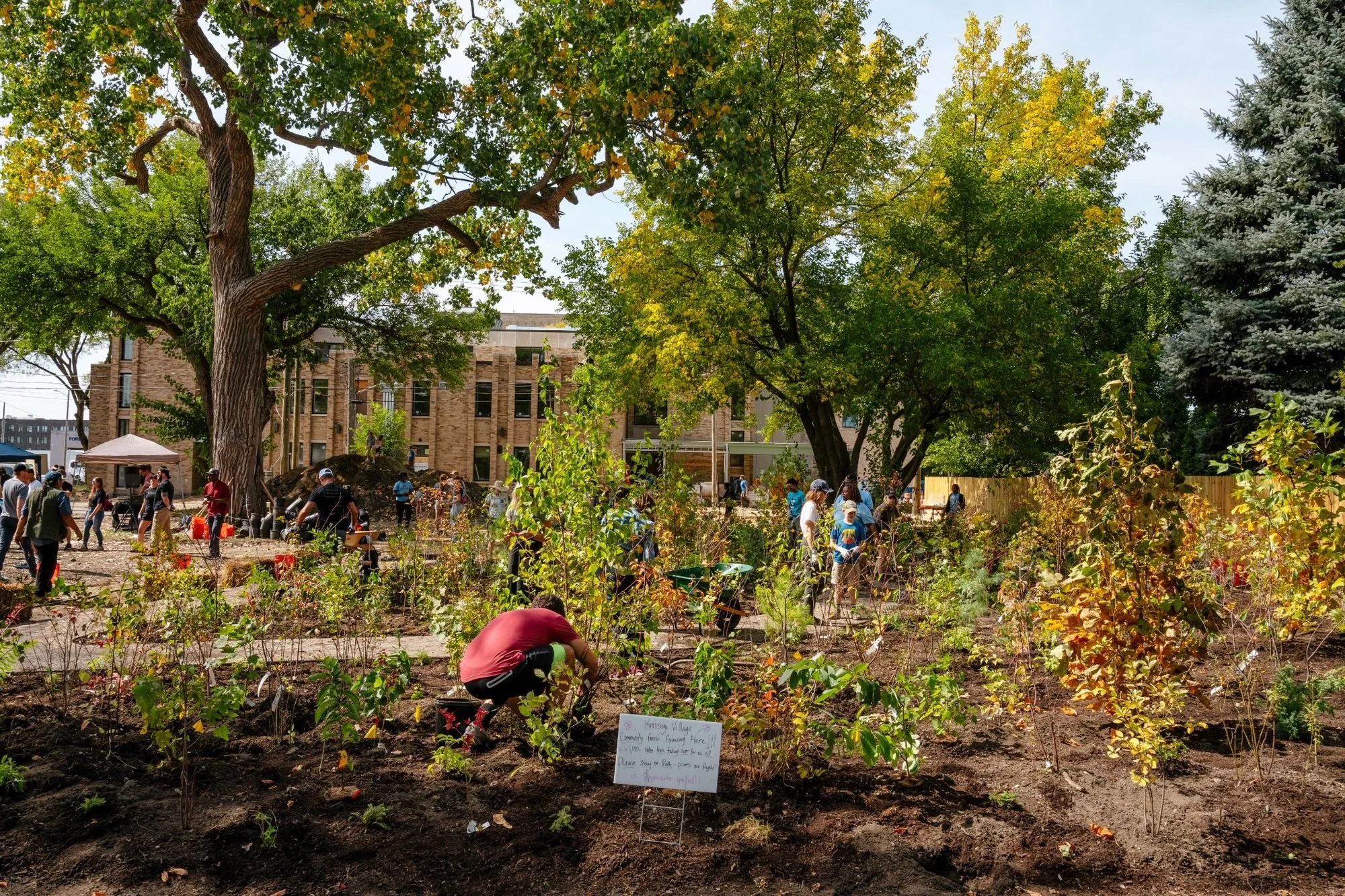
In September 2025, Kintsugi Village and Brightside hosted a major pocket forest planting activation.
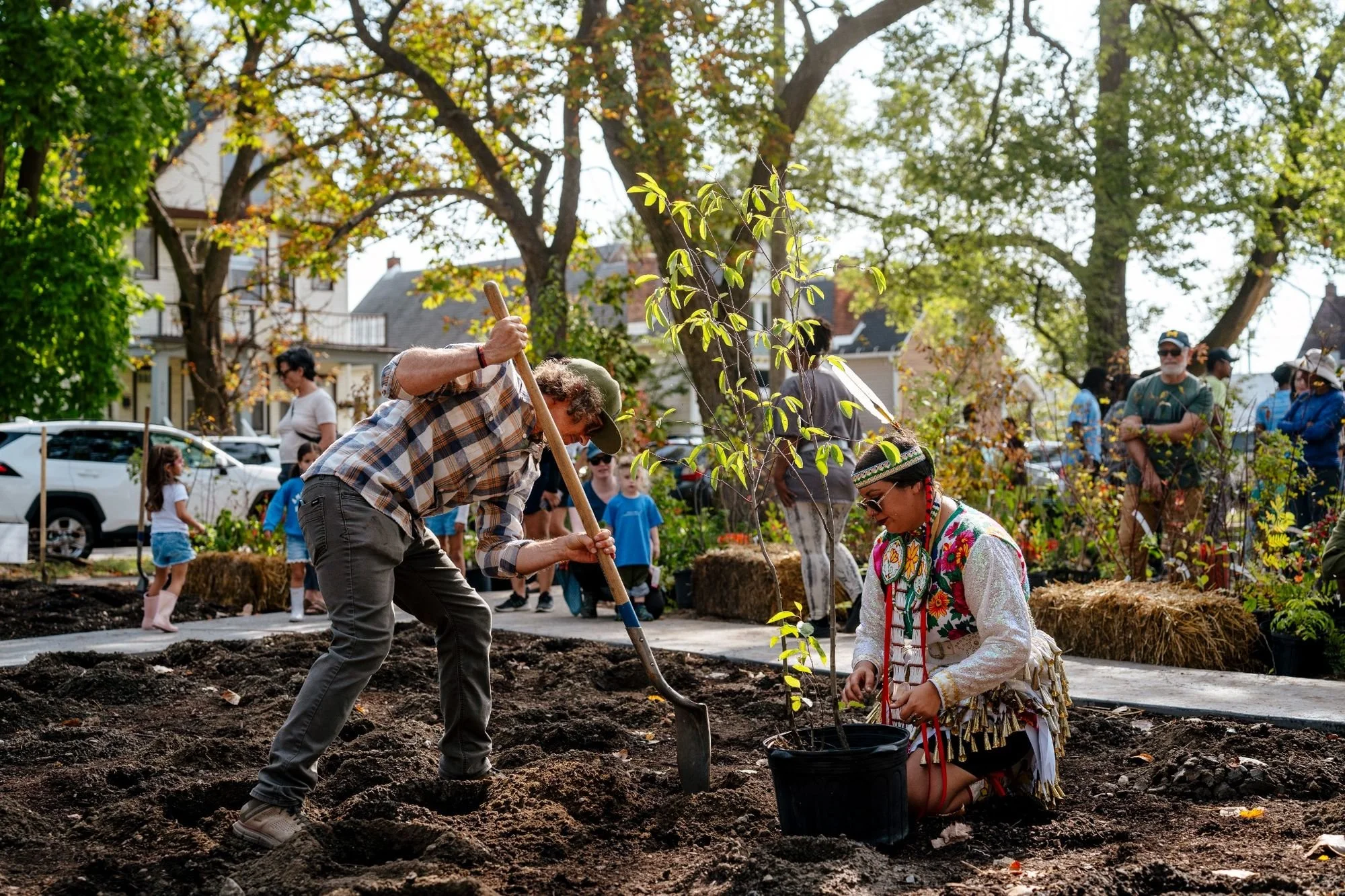
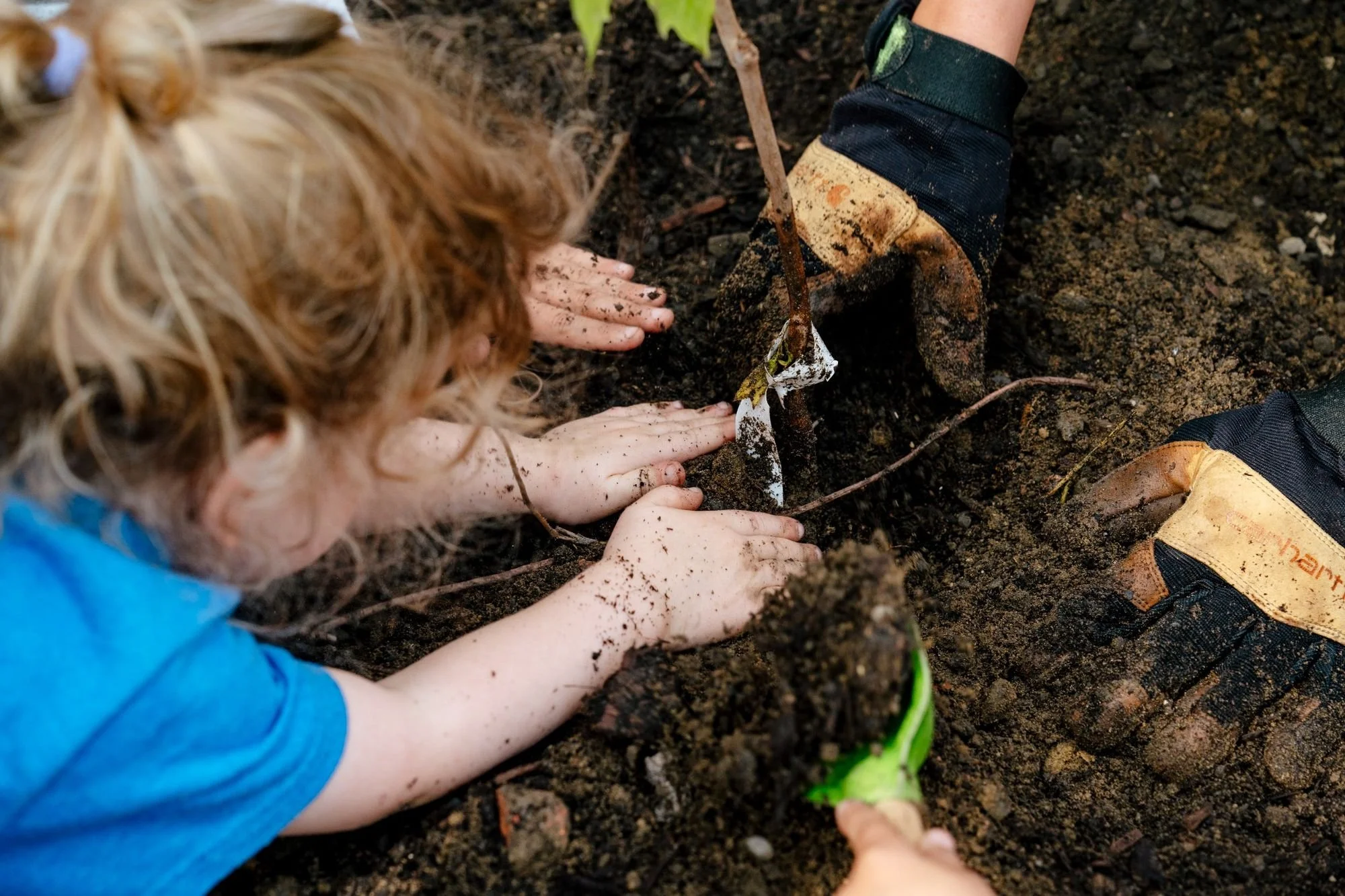
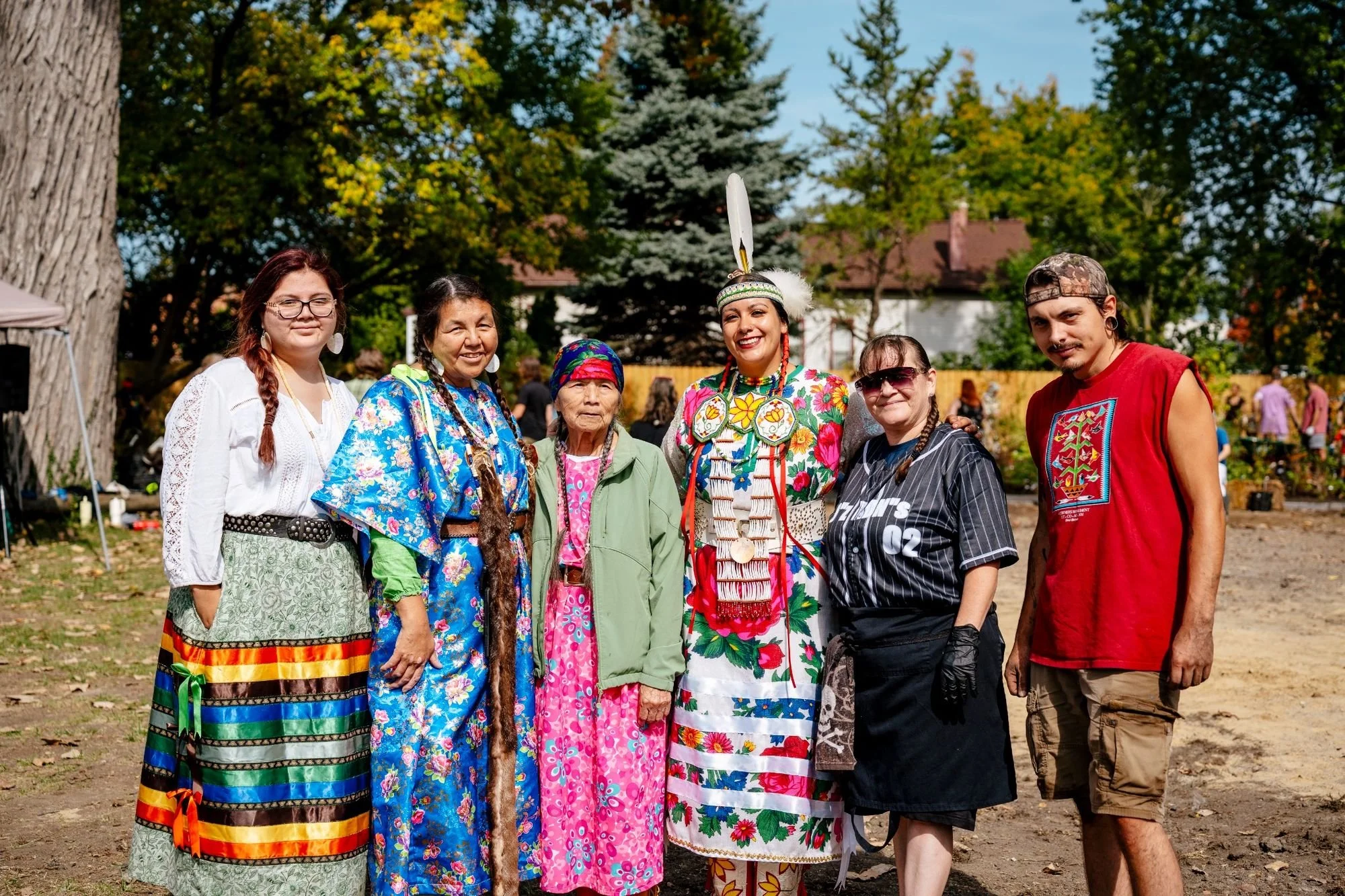
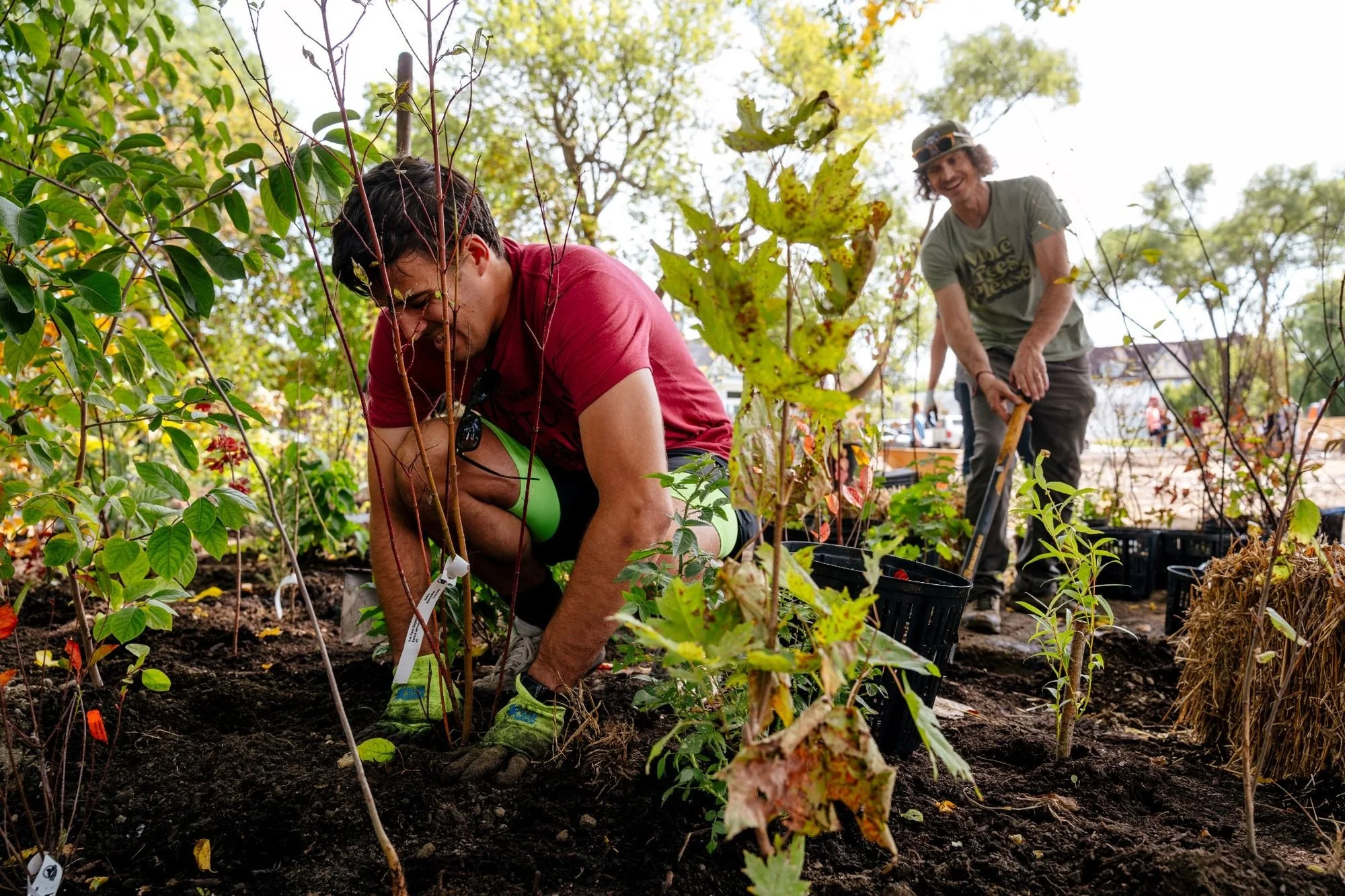
More than 100 volunteers came together to plant over 1,100 native plants and trees. The day brought together children, families, neighbors, project partners, and community members in a joyful act of collective care.
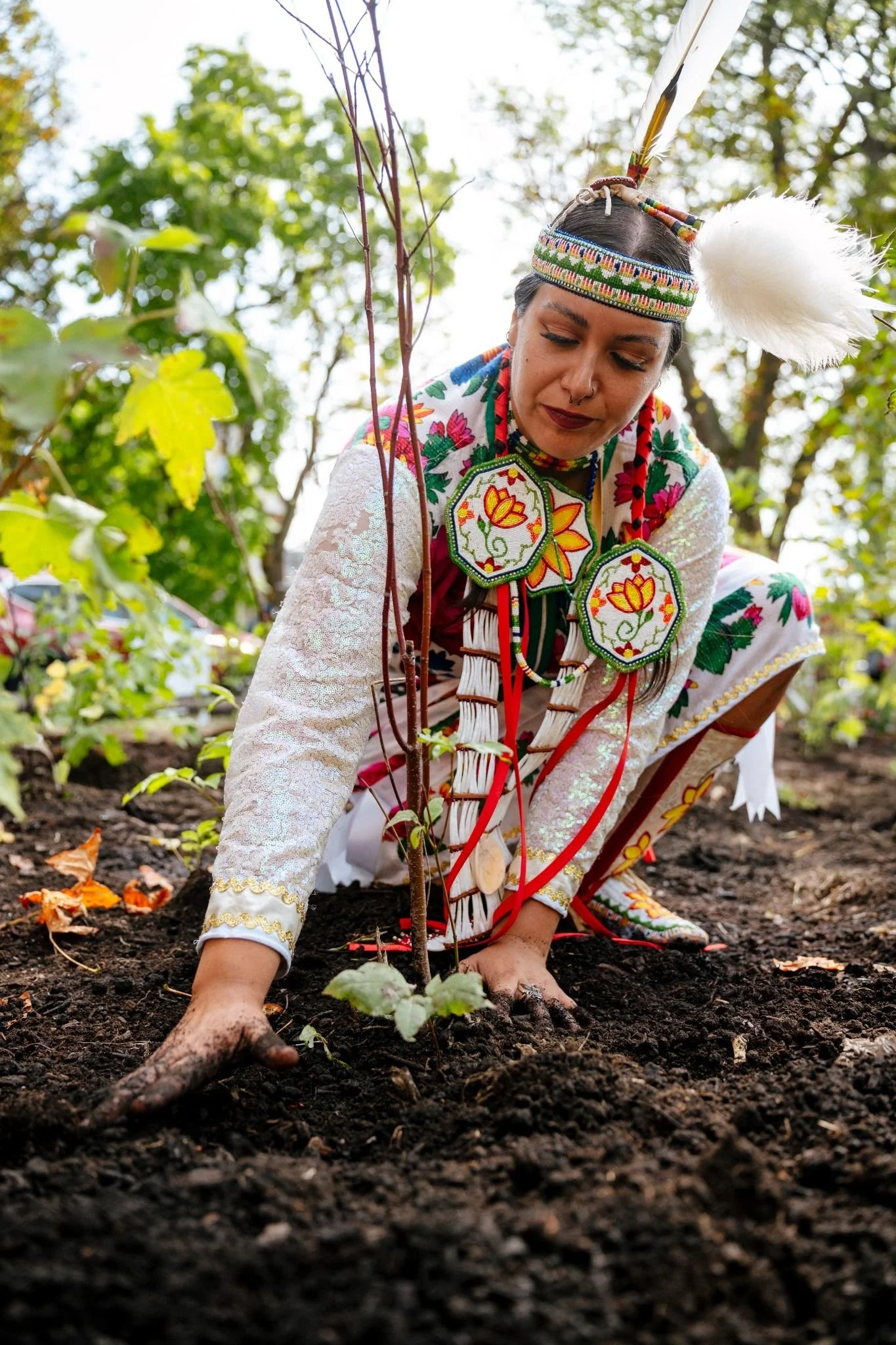
he activation also honored the Indigenous history of the land, grounding the planting in deeper memory and respect.
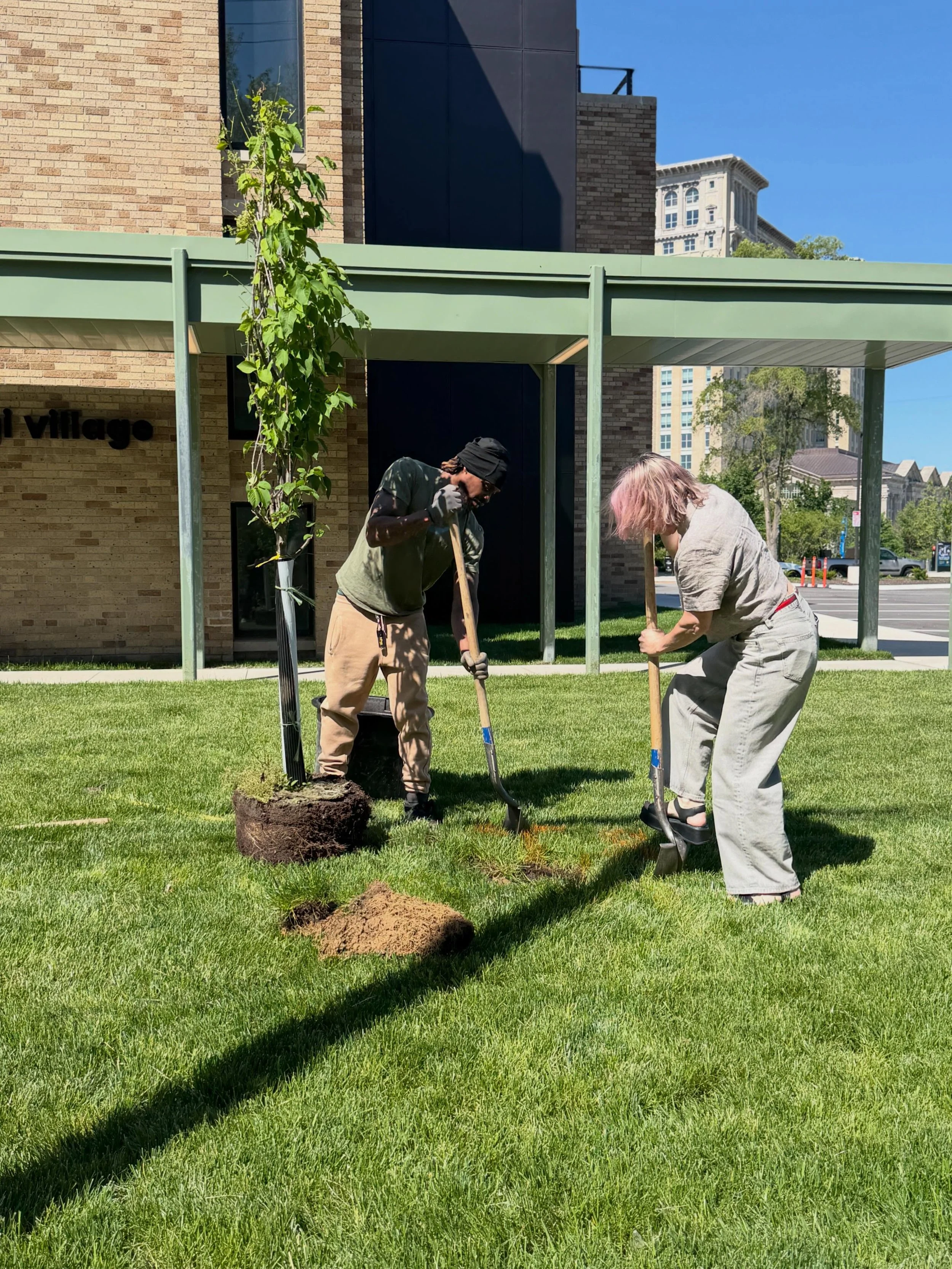
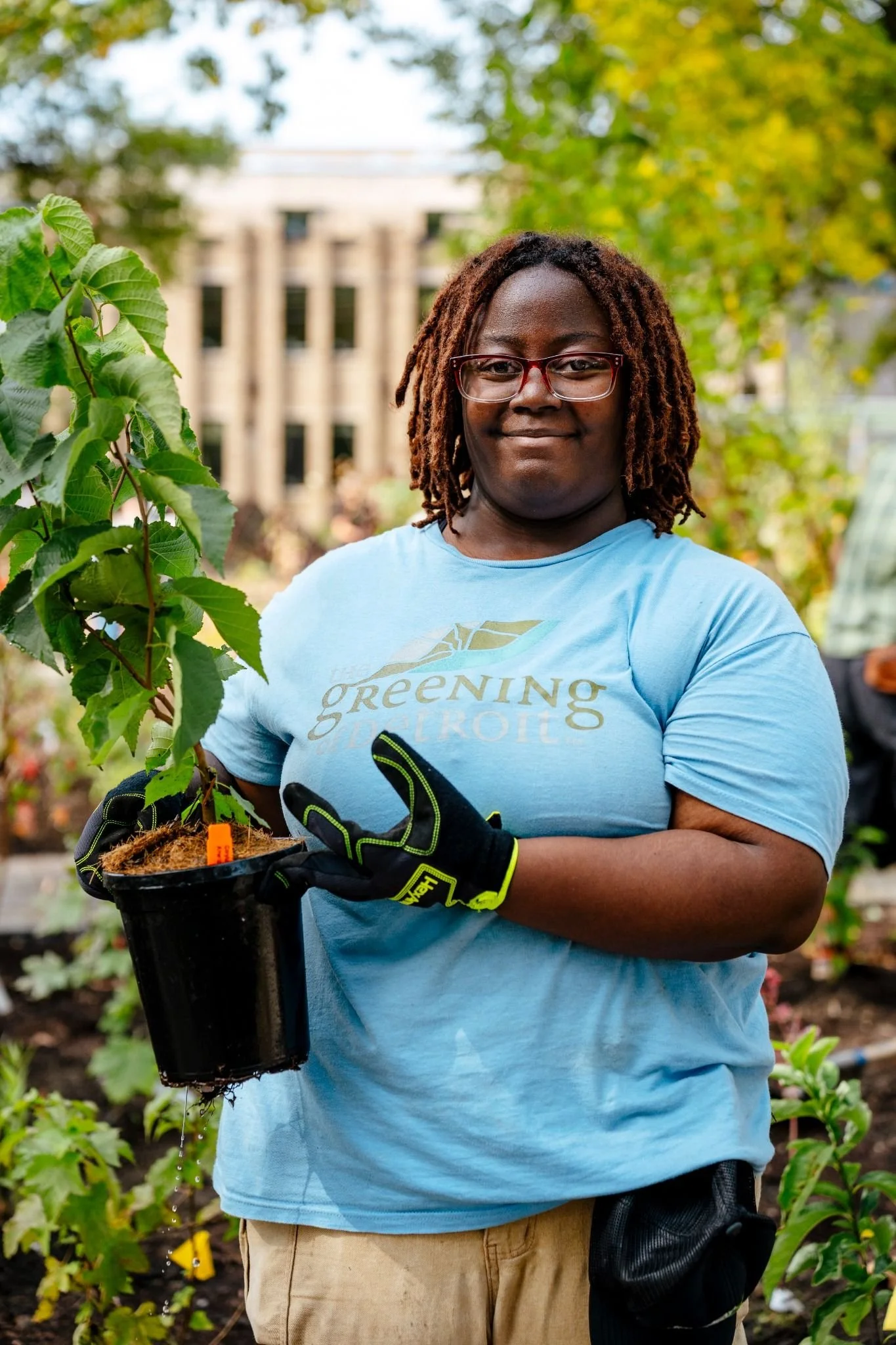
Greening of Detroit planted two trees in 2025, with three more planned for 2026. Michigoat brought goats, adding joy, education, and delight to the day. DJ Amy K, brought music, helping make the planting feel like a celebration, not just an installation.
What Is Being Built
The Kintsugi outdoor space is unfolding as a layered ecological and community system, including:
A roughly 4,000-square-foot pocket forest
Two mini meadows
Native plantings throughout the property
A connected trail and pathway system
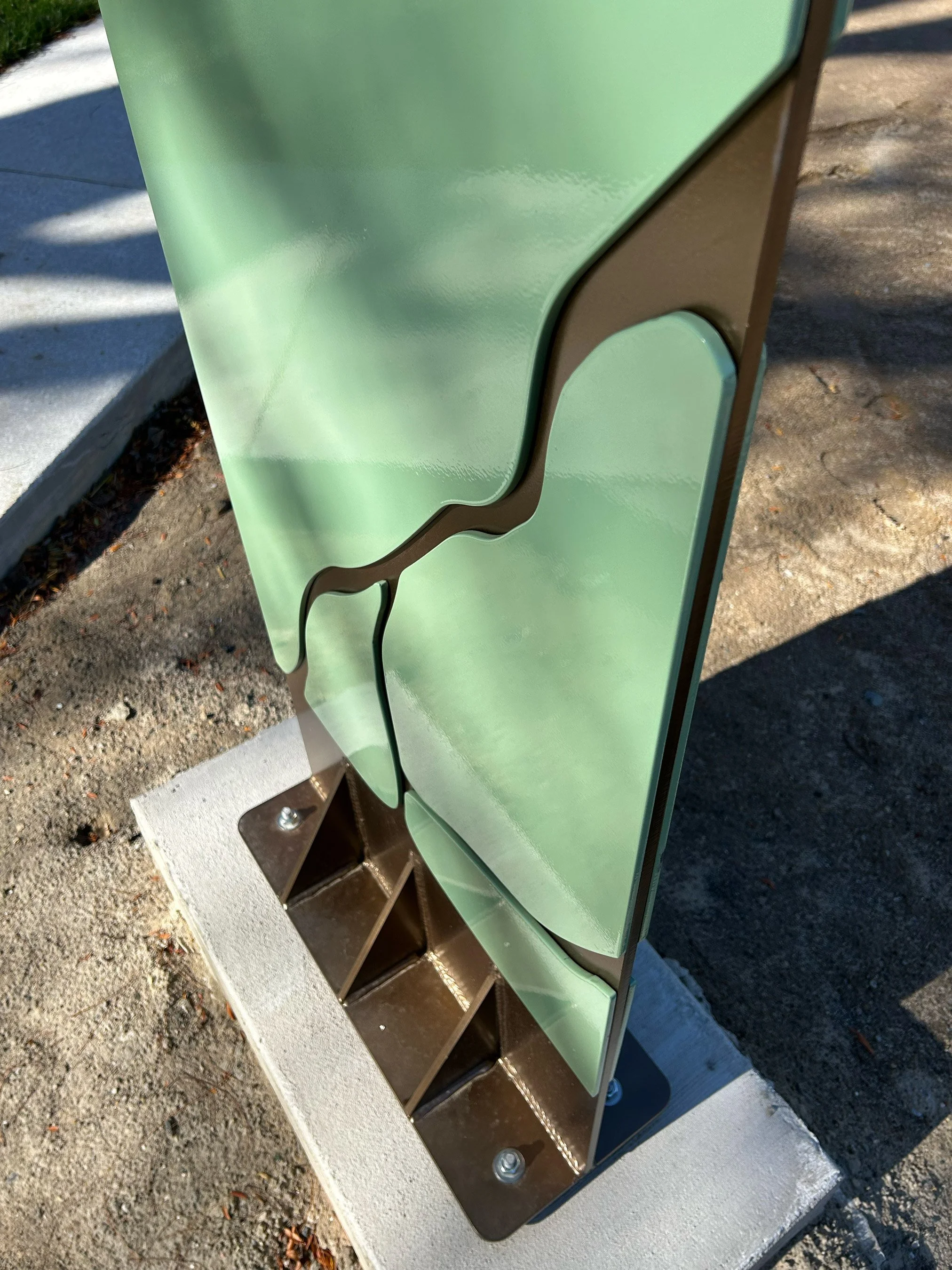
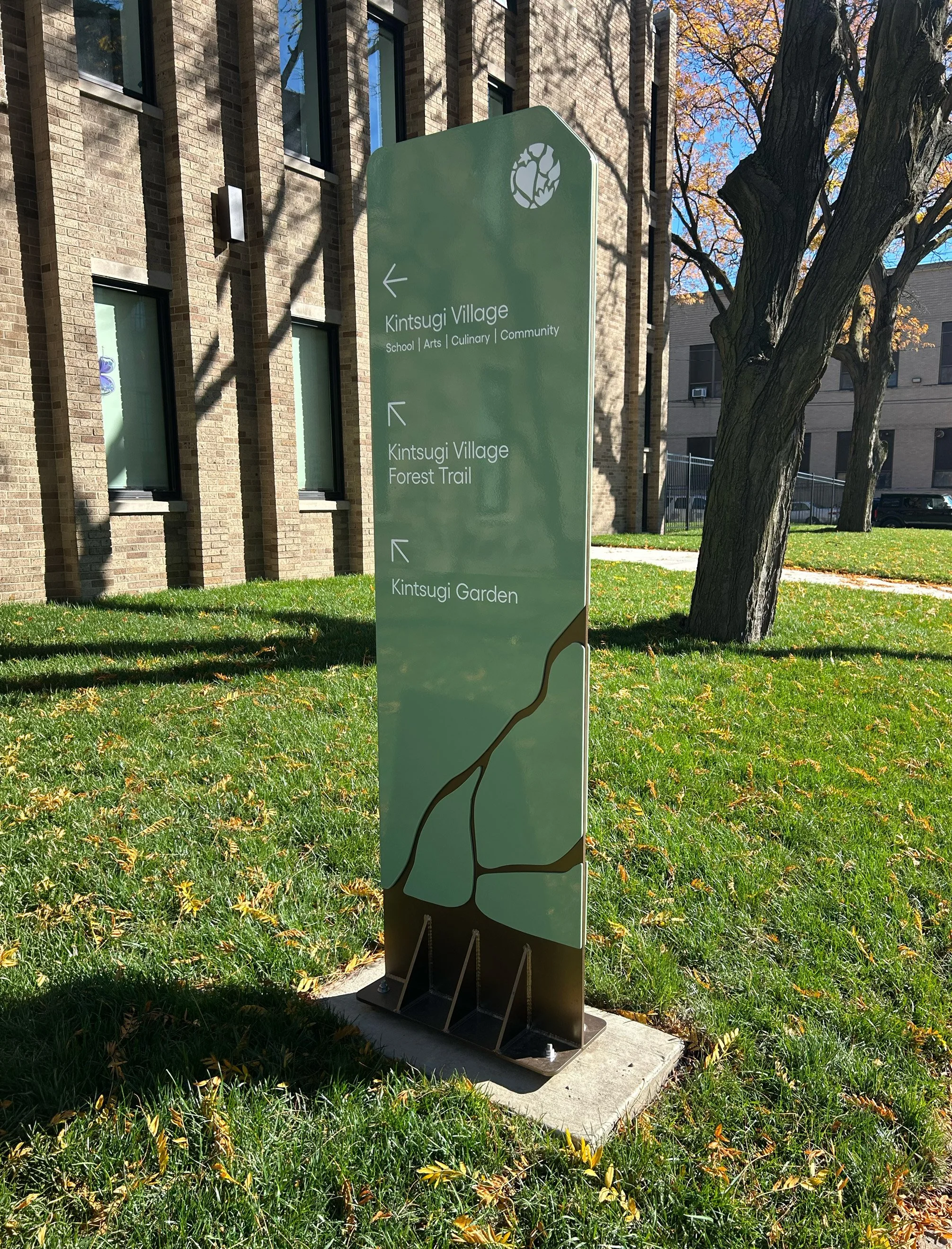
Wayfinding support to help people move through the space
Rain gardens
A 26-bed raised garden
Clover and more eco-friendly grass mixes in selected areas
Demonstration zones for nature-forward learning
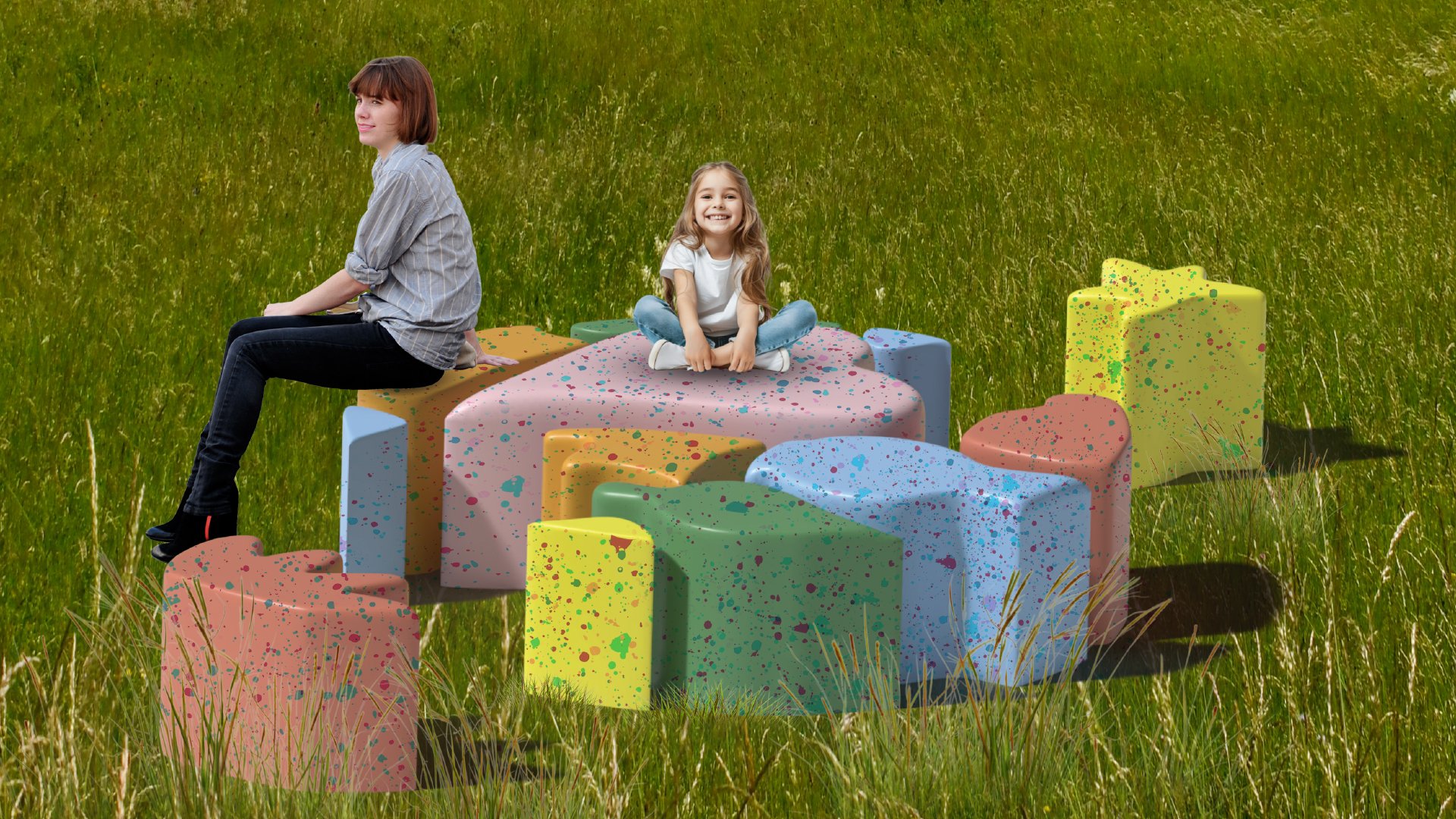
Gathering areas for children, families, educators, artists, and community members
The 26-bed garden, implemented by Featherstone Farms, has the potential to produce up to 800 pounds of food per season. That food can support Kintsugi’s culinary kitchen, food education, and community nourishment.
Pocket Forest Planting
Summary
Why It Worked
Because the solution matched the scale of the problem.
Station Meadow didn’t require heavy infrastructure, major capital, or a change in land ownership. It required reframing, patience, and a willingness to work within real constraints. By prioritizing biodiversity, beauty, and community presence, the project met environmental goals and human needs - without forcing the land to be something it couldn’t be.
Sometimes transformation starts not with building, but with seeing differently.
Why It Matters
Kintsugi Village shows what becomes possible when outdoor space is treated as essential infrastructure - not leftover land that simply serves as a great lawn.
This project brings together ecology, education, food, healing, culture, and community into one integrated environment. It demonstrates how a campus can become a living system: a place where children learn from nature, families gather in beauty, food is grown on site, pollinators find habitat, and community members experience restoration.
It also shows Brightside’s role at its fullest scale: identifying opportunity, catalyzing partnership, designing the system, connecting resources, activating community participation, and helping translate a bold vision into a physical place.
What’s Continuing
The Kintsugi outdoor space will continue developing through 2026:
Planting two mini meadows with Creating Habitats for Pollinators
Seeding selected lawn areas with clover and more eco-friendly grass mixes
Installing rain gardens
Completing additional tree planting with Greening of Detroit
Continuing wayfinding and signage implementation
Deepening educational and culinary connections across the site
When complete, the space will serve as a differentiated public-facing landscape: part forest, part garden, part meadow, part classroom, part gathering space, and part healing environment.
Larger Provocation
Kintsugi Village reminds us that a Bright Place is not made from one feature alone. It is made from many living pieces working together - food, forest, flowers, water, pathways, people, memory, music, and care.
Signals of Impact
Living System Established
An underutilized acre is being transformed into a connected ecosystem of forest, meadows, gardens, pathways, habitat, and learning spaces.
Community Stewardship
More than 100 volunteers participated in the forest planting, helping establish long-term care, ownership, and connection to the landscape.
Partnerships Activated
Organizations across ecology, education, food, culture, and community came together around a shared vision for the site.
Momentum for Future Growth
The pocket forest installation unlocked additional phases including meadows, rain gardens, wayfinding, tree planting, and educational programming.